
All Hallows’ Eve, or as we know it today, Halloween, started as a cultural tradition, a custom. However, thousands of years later, the holiday has transformed from a spiritual practice to a day of celebration with the influence of a variety of communities, religions, and eras.
Samhain (pronounced sah-win), celebrated around late October, was the earliest recorded celebration of some sort of Halloween. Samhain is a Celtic holiday that celebrates the start of the winter season, and the end of harvest season in which the days get shorter and the nights become longer. The widespread belief was that the veils between the living and the spiritual world were at its thinnest during this transition time, allowing spirits to visit the living world, bringing either blessings or mischief.
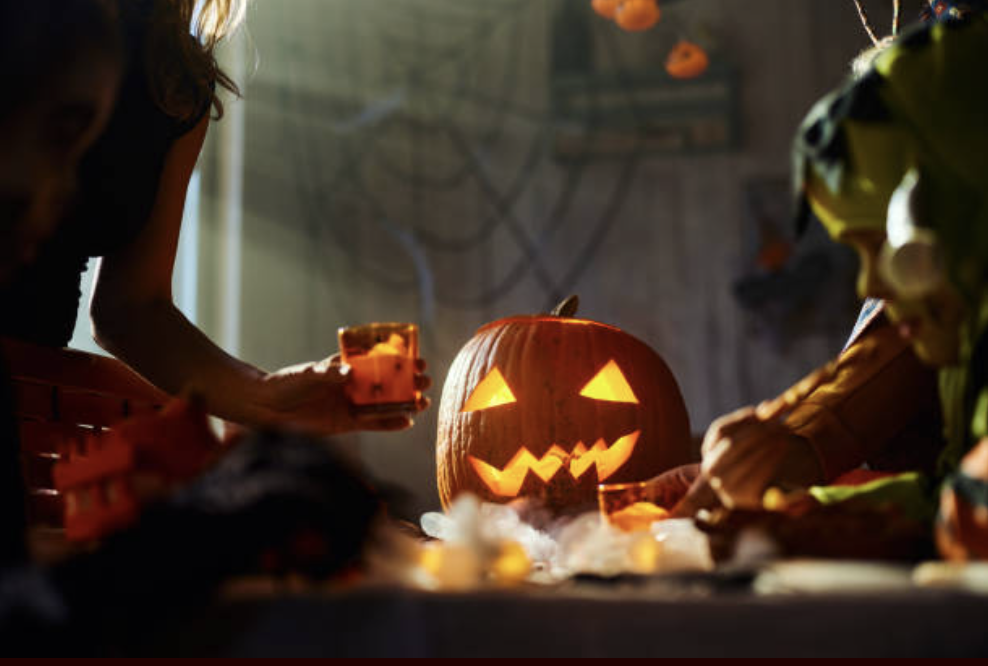
In order to protect against the harmful intentions of some spirits, bonfires were lit and animal sacrifices were made. This was also when costumes were born, as many community members would wear masks made from animal skins to hide their identity and confuse the spirits. Thus, marking the start of Halloween costumes.
PC: Pixabay
As part of the efforts to rewrite Pagan traditions, the Christian Church set out to “rebrand” Samhain. Intending to honor “hallows” (saints and martyrs), Pope Boniface IV declared Nov. 1 as All Saints’ Day or All Hallows’ Day. This change allowed for the two communities to combine, integrating Christians whilst still keeping Celtic traditions alive.
By the Middle Ages (500-1500), Halloween was celebrated with a blend of Christian beliefs and old Celtic practices. Lower class citizens could go door to door offering prayers in exchange for small bits of food, a popular practice known as “souling”.
Similarly, young people in Britain and Ireland would dress up and go door to door performing for families in exchange for offerings. These practices helped bond the communities whilst still honoring tradition, combining customary beliefs of the spiritual world and acknowledging connections between the living and the dead.
When America was introduced to Halloween in the 19th century, playing games and going to parties became popular. Dressing up in more silly costumes and trick o’ treating became popular. Superstitions around spirits, ghosts, and ghouls transformed Halloween from a darker evening to a lively holiday.
From Samhain to All Saints’ Day to what we know and celebrate today as Halloween, All Hallow’s Eve is a blend of cultures and traditions passed throughout generations.