
“World of Street Woman Fighter” and the Globalization of Street Dance Culture
“World of Street Woman Fighter” is an international spin-off of the popular Korean dance show “Street Woman Fighter”. This global edition brings together six all-female dance crews representing countries such as South Korea, the United States, Japan, Australia and New Zealand. Each team brings a unique identity and showcases a distinct movement style, all while remaining rooted in the shared foundations and culture of street dance.
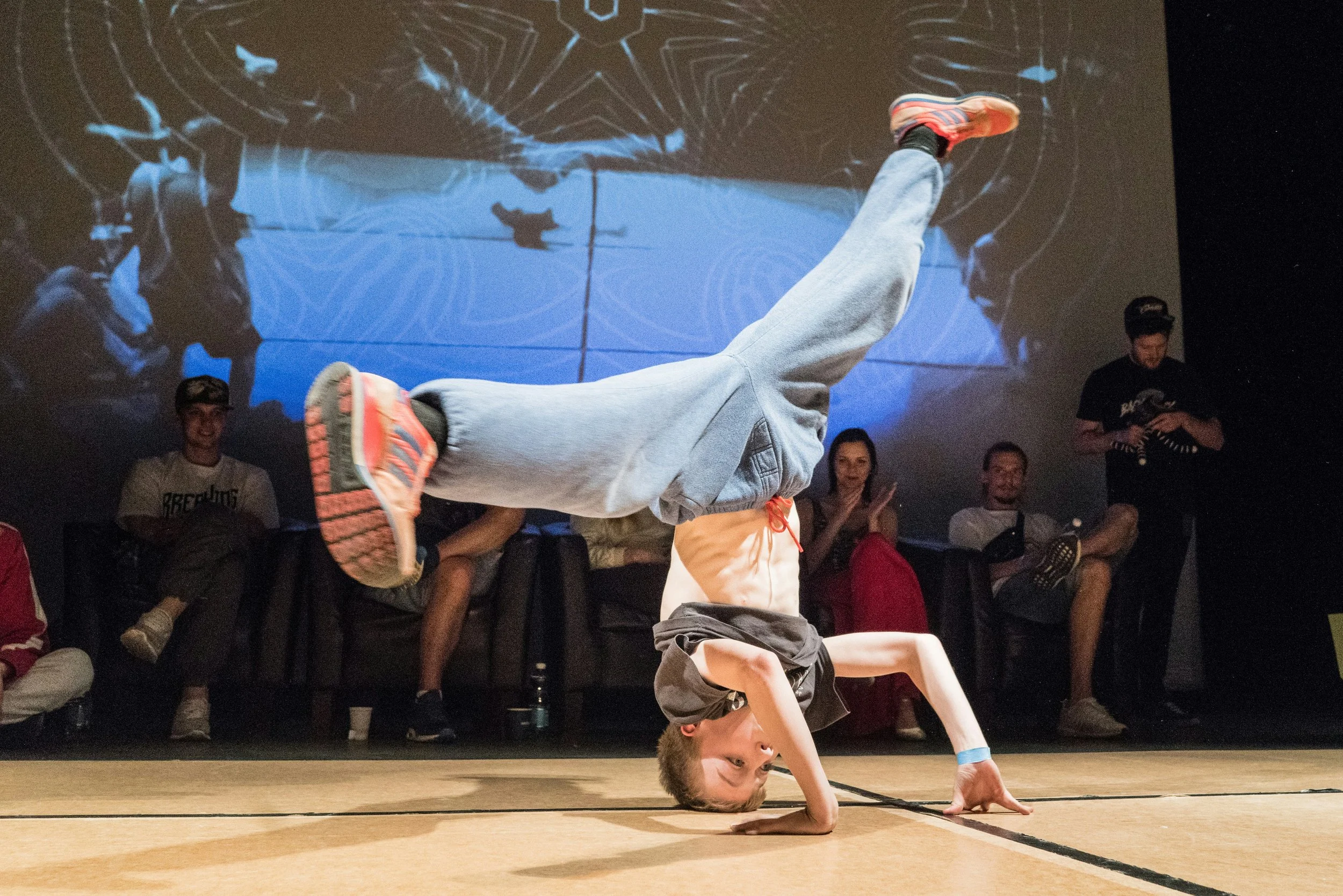
Street dance is a blanket term for a variety of closely related styles that developed organically in the United States — not in formal studios, but natural social settings like parties, clubs and community gatherings. Because their original context places freestyle at the forefront, these styles are completely different from concert dance styles like ballet or theatre jazz, which involve set choreography that is meant to be performed for an audience. Personal expression, community and authenticity are core values of the street dance culture. The styles under this umbrella include, but are not limited to: hip-hop, breaking, popping, locking, waacking, vogueing, krumping and house.
The show’s lineup features world-renowned names like the Royal Family from New Zealand — legendary for their high-energy megacrews that dominate the Hip Hop International circuit. It also includes Japan’s Ibuki Imata, known for fusing waacking, popping, and hip-hop in her freestyle battles; she leads her own crew from Osaka, Japan. Also in the lineup, representing the United States, is Olympic B-Girl Logistix, who placed 10th overall in the 2024 Summer Olympics.
PC: Unsplash
Once confined to the inner-city cyphers of Los Angeles. and underground clubs of Chicago, street dance culture has spread across the world. Platforms like Music Television (MTV) brought breaking and funk styles like popping and locking into mainstream visibility, while shows like Soul Train brought underground African American culture to millions of living rooms worldwide. Places like Japan, Korea and China now have thriving street dance scenes and competitions like Red Bull Dance Your Style, drawing dancers from all around the world.
As street dance continues to grow globally, it is important to not forget its origins. These art forms were created by and for communities of color, people who used dance as a form of resistance, expression, and joy. Understanding this cultural context is essential for anyone who practices or teaches these styles. Street dance is more than just a genre — it's a global language of rhythm, history and identity. Whether it’s performed live on national television, on stage at a competition, or even just on the sidewalk, every step echoes the voice of its founders and the communities where it all began.