
The History and Legacy of Summer Dance Forever: Warrior Edition
The final rounds of Summer Dance, one of the largest dance festivals in the world, have just concluded. Every year, dancers gather in Amsterdam to attend workshops, compete in battles, and immerse themselves in street dance culture. Its diverse lineup has brought visibility to many street dance styles — none more so than waacking.
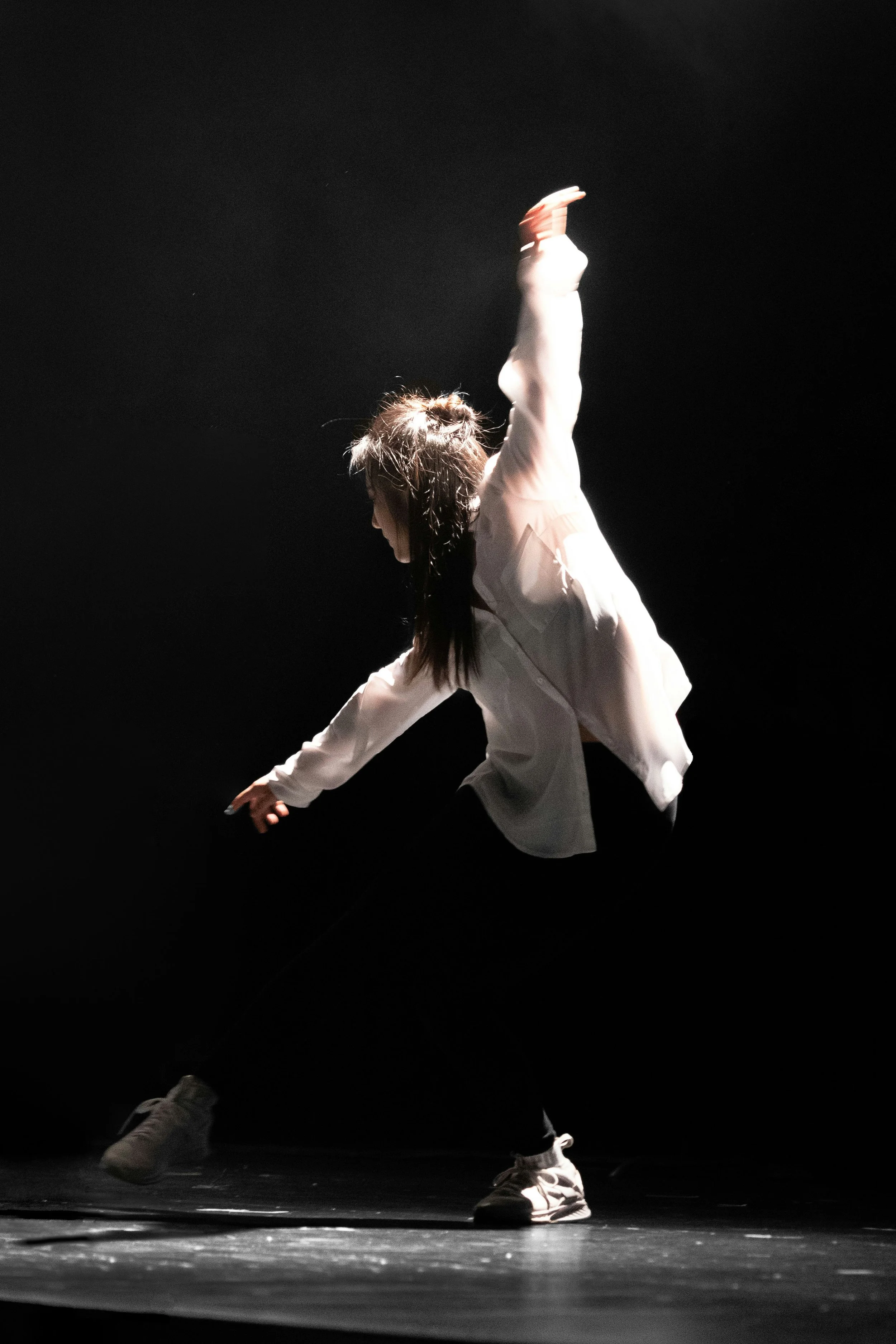
PC: Unsplash
Waacking, also spelled whacking, emerged from the gay club scene of Los Angeles in the 1970s. Originally known as “punking”, the style was later renamed by members of the heterosexual dance community to distance themselves from the term’s negative connotations. At the time, the word “punk” was commonly used as a derogatory term for gay men. DJ Michael Angelo eventually reclaimed the term, turning it into an inside joke among the dancers that frequented his bar, Gino’s II.
Defined by its dramatic poses, quick arm movements, and theatrical storytelling, waacking was created by young Black gay men as a form of self-expression; they used it as a form of resistance against the marginalization and stigma they encountered in daily life. These dancers drew inspiration from the drama and exaggerated movements of Hollywood films and Looney Tunes cartoons, while the distinctive arm technique (the “whack”) was influenced by the onomatopoeia used in comic books like “Batman and Robin.”
A detrimental event that permeated the queer communities of the time, the HIV/AIDS epidemic devastated the original waacking community. Nearly all of the original punkers either passed away or were murdered, leaving one dancer, Viktor Manoel, to carry on its legacy. The style became nearly obsolete until 2003, when Brian Green catalyzed its resurgence. After several waacking elders declined his requests to teach, Green began deliberately teaching inaccurate technique in an effort to provoke a response and encourage them to share their knowledge. The strategy was successful; elders began passing on the style, and a new, elite generation of waackers was born.
It is at “Summer Dance Forever” that this new generation comes together for a week of music, dance, and culture. Each registered dancer begins with a preselection round, receiving 45 seconds to freestyle and demonstrate their abilities to the judges. Following preselection, the Top 48 dancers receive an additional minute to freestyle before the field is narrowed to the Top 24.
From there, the competition shifts into a bracket format, with dancers facing one another in one-on-one battles. Once the competition reaches the top 6, each remaining dancer must battle a “warrior”: a former finalist, champion, or judge.
This year’s winner was Calin of Japan, recognized for her fluidity, elastic movement quality and first-place wins at both “Waacker’s Night Vol. 5” and the “All Asia Waacking Festival”. However, her victory this year has sparked controversy among fans; many feel that she should have been eliminated earlier, and that her groove-based approach to waacking is inferior to more technical approaches.
Today, there is a divide among Western and Eastern waackers over the direction of the style. Many dancers in Asia, such as Ibuki Imata and Waackxxxy, have gained attention in all-style battles by blending popping (a street dance style) fundamentals with waacking, emphasizing exceptionally fast, sharp arm movements. Some Western waackers — including longtime practitioners who were present for its resurgence — view this development critically.
Dance styles inevitably evolve, and waacking is no exception. New-school dancers have helped bring this form to wider audiences, expanding its visibility in mainstream and all-style battle spaces. However, waacking was not originally a competitive style; it emerged from queer communities of color that utilized movement as a way to express themselves. Posing, individuality, and dramatic expression lie at the heart of waacking and are central to its foundation — not just technicality, precision or athleticism.
Innovation and preservation do not have to be opposites, and this art form can continue to grow without losing sight of where it came from. As new generations continue to bring this style into mainstream dance spaces, they carry a responsibility to honor its roots: the queer, marginalized communities where it all began.