
A Race Towards Equality: Women’s Involvement in Formula 1
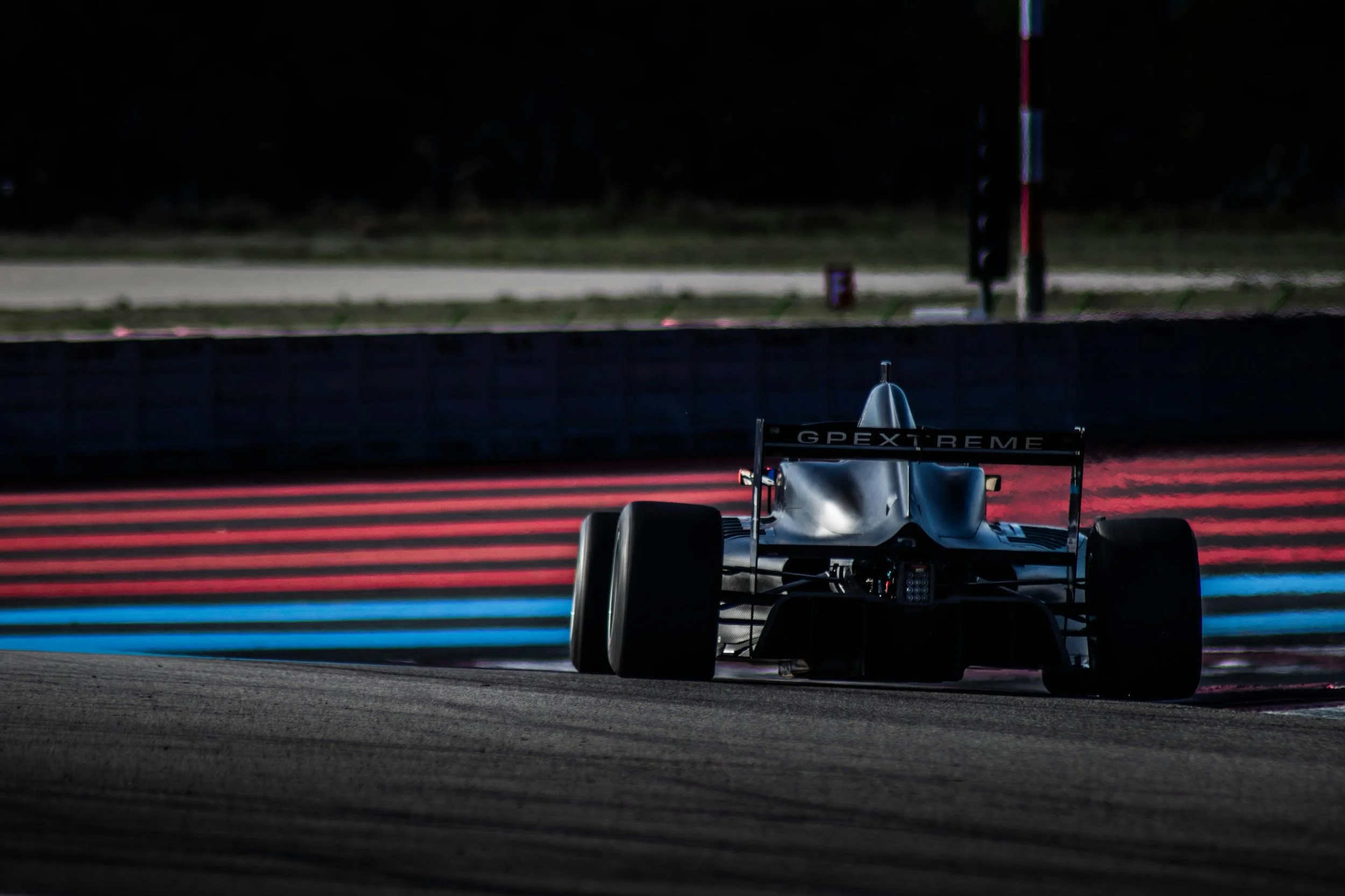
PC: Unsplash
Formula 1 has long been regarded as one of the most technologically advanced sports in the world, yet it has historically lacked gender diversity. However, in recent years, the sport has begun to combat this imbalance, introducing new opportunities for women to be included and thrive in the sport. As conversations around equality grow louder, the sport is gradually evolving into an inclusive arena.
Historically a male-dominated sport, Formula 1 has not had a female Grand Prix driver since Italian racer Leila Lombardi in the 1976 Austrian Grand Prix. This racer is also the only female racer to score points at any Formula 1 World Championship race.
Maria Teresa de Filippis, the first female competitor in Formula 1, made history on May 18, 1958, where she attempted to qualify for the Monaco Grand Prix with a Maserati 250F. In the same year, de Filippis was denied the ability to compete at the French Grand Prix due to blatant sexism by a race director who stated, “The only helmet a woman should wear is the one at the hairdresser’s.” While de Fillippis’s career was short-lived, the racer became known as a trailblazer for future women in the sport.
The modern day has brought various incentives to promote the inclusion of women in the sport. Formula 1 Academy, an all-female driver series founded by Formula 1, seeks to provide a pathway to higher-level racing categories. Its first season took place in 2023 at the Red Bull Ring in Austria, and since its debut, its fanbase has increased by 31% due to its immense presence on social media.
Off the race track and behind the scenes, Hannah Schmitz, the Principal Strategy Engineer at Red Bull, was a key component of Red Bull’s success in 2022 and 2023. Schmitz’s last minute strategy helped Max Verstappen win the 2022 Hungarian Grand Prix, rising from 10th place to first.
While ongoing obstacles are still prevalent in the world of Formula 1, there is an optimistic future for women in the sport and progress towards inclusion. By continuing to invest in opportunities for women both on and off the track, Formula 1 has the opportunity to redefine its future: a sport that values talent and diversity equally, and inspires the next generation of racers regardless of gender.