The Sensationalization of American Politics
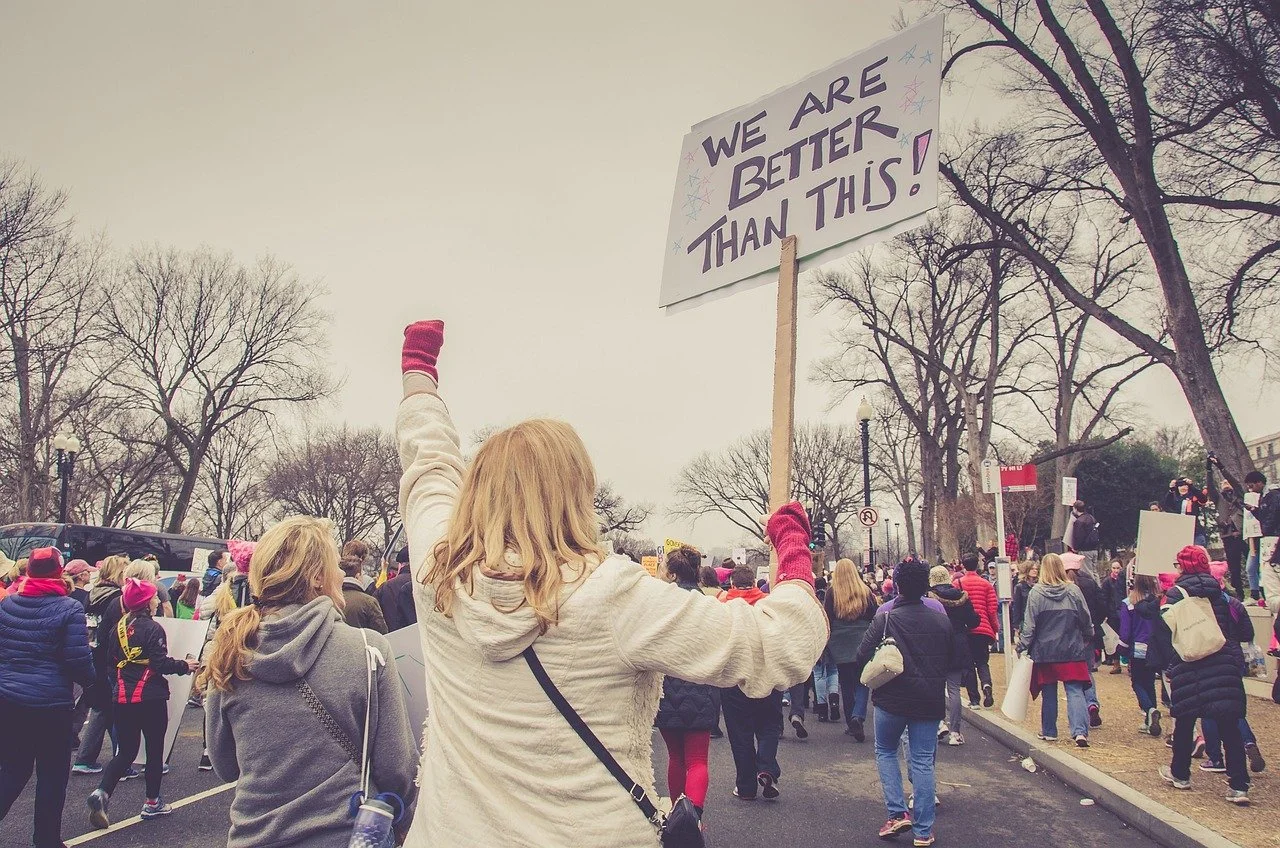
Photo by Pixabay
Whether it’s the rise of short-form content or the constantly fluctuating news cycle, it seems more difficult than ever to grab the attention of Americans. In a country where everyone is always looking for the next new and exciting thing, politics can seem mundane and unengaging, which has led to a decline in political participation from younger demographics. Now, campaigns have to fight tooth and nail to stay relevant to these younger generations, a problem that has led to the sensationalization of American politics.
The 2024 election cycle saw campaign strategies that had never been used before. One of the most well-known instances of this was using social media like TikTok to appeal to specific demographics. President Donald Trump and former Vice President Kamala Harris frequently appeared on social media through their accounts @realdonaldtrump and @Kamala HQ, where content was carefully crafted to appeal to specific audiences. Through this portrayal of relatability through modern communication, both candidates were able to use trending topics to make their way to the top of the news cycle, helping them both increase their popularity and reach younger voters. However, the need to attach youthful and relatable personas to political candidates was a source of concern for some voters who believed that a vote should be based on a candidate's policies, not their social media presence.
Harris also faced backlash when rapper Megan Thee Stallion was brought onstage to perform at Harris’s Atlanta campaign rally. Trump was similarly questioned for his choice of speakers at his rally, a lineup that included individuals like social media personality Bryce Hall and known racist Hulk Hogan. Although the performances and guests did bring attention to both campaigns, some voters expressed concerns over having rappers and social media personalities put on the mainstage at political events. They claimed that having candidates trying to outperform each other made a mockery of the American election process and democratic system. TikTok users commented, “I thought this was about our future. I’m confused,” and “American politics are something else.”
Now, many voters have expressed a desire to return to a more respectful and solemn time in the American political process, often represented by former President Barack Obama’s campaign against republican candidate John McCain. One user commented on a video lamenting the end of the Obama administration: “I remember John McCain running a respectful campaign and not allowing people to make hateful comments about his opponent.” This could not be further from the 2024 election, during which Trump made numerous hateful comments and publicly called Harris’ racial identity into question. The user says, “It’s used so often as a punchline but [...] we used to be a real country.”
The 2024 election cycle was like nothing America had ever seen. Parties turned against each other with cult-like ferocity, social media was pivotal to voter decisions, and childish disrespect went unpunished. In an era where even a presidential candidate may fall into irrelevance without drastic measures, desperation to stay relevant and keep voters engaged has led to the sensationalization and near ruin of American politics.