Dismissing Power While Living in Bliss: The Battle Between Knowledge and Ignorance
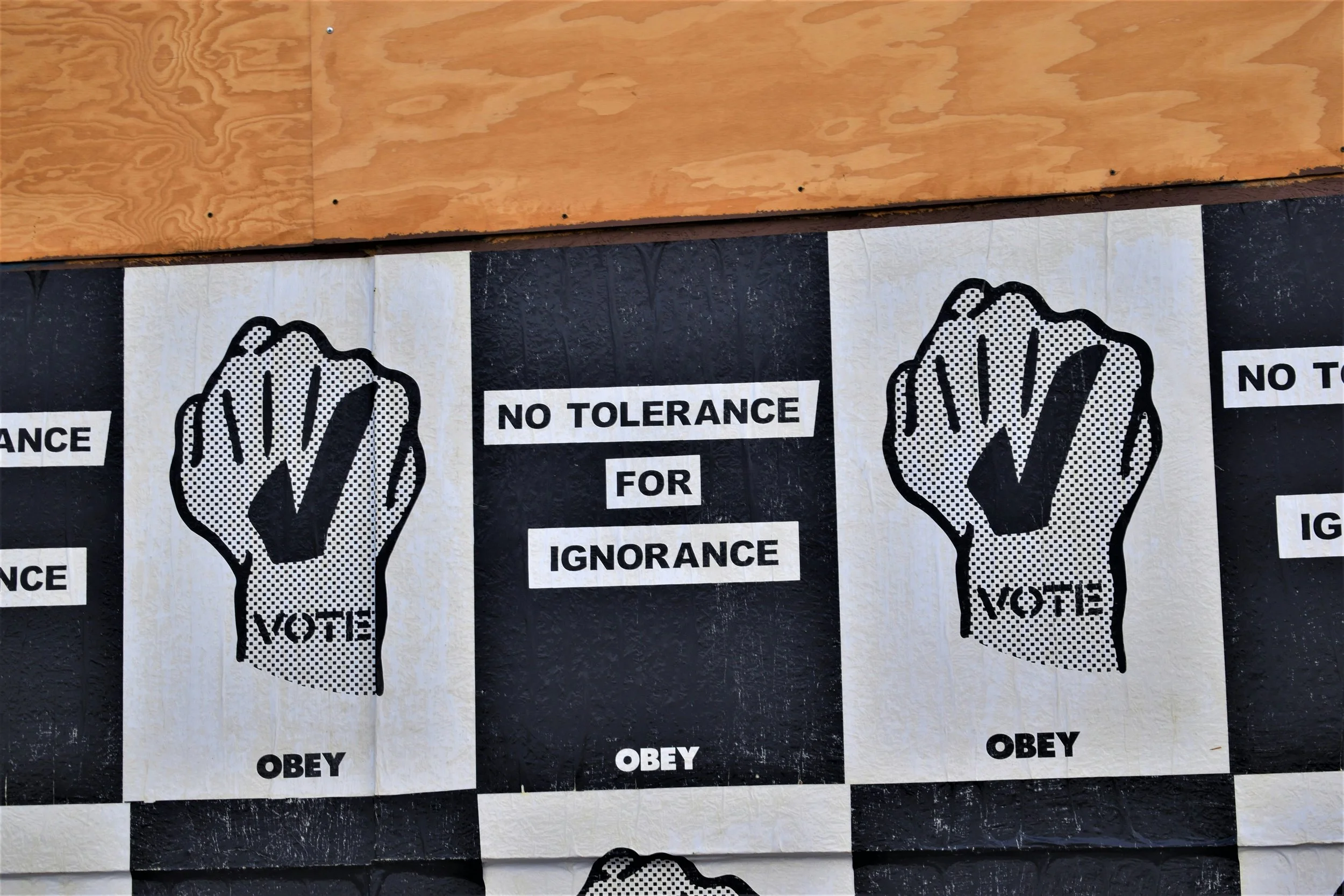
It is easier than ever to live in ignorance in 2025. If you choose not to notice the horrors of our modern world, the idea is that they won’t affect you, that others will take care of issues that are not your concern. If you choose not to know what happens around you, if you don’t read the news, or read much at all, or remain exclusively within a curated niche of social media, then you do not have a full picture of the world. You can go about your life as you please, uninhibited by moral examinations of your life beyond basic principles of morality and justice. In a time where human rights and justice are threatened more by the day, it’s more crucial than ever to be less ignorant. But we as individuals have so many of our things to deal with: school, work, friends and family - what do we gain from being informed? Is it a requirement, a responsibility, to be educated? What do we gain from awareness - but more importantly, what is lost to ignorance?
Ignorance is a spectrum, one that affects everyone differently, and an obstacle that everyone has a different way of overcoming. Some are ignorant to facts and knowledge that can be learned in school, while others are ignorant to the experiences, communities, and cultures of others. In most cases, ignorance is a privilege. Those who live unaffected by systemic oppression, natural disasters, war, discriminatory violence, and countless other issues will never have to confront them if they just choose not to know about them. You could go your whole life not knowing about the effects of mass incarceration in the United States, the gender wage gap, the genocide in Palestine, or environmental racism, making you more carefree, less bothered. As the adage goes, “ignorance is bliss”. Many believe it’s not their job to care about politics, current events, and social justice - they have their own lives to worry about. In this way, ignorance could only ever benefit the individual. To those for whom ignorance is a privilege, its negative impacts may seem insignificant or nonexistent. However, ignorance is not neutral, nor should it be acceptable in today’s world because of this.
Education is largely taken for granted by those who have access to it, but even generally, it is hardly recognized as a key tool for resistance and change. To be informed is to be powerful, especially in today’s world. Education battles ignorance, but ignorance is important to maintaining the status quo - an uninformed population is easy to manipulate, and those at the top get to stay there. For instance, American voters cannot vote for what they want and need if they don’t understand how the government works in the first place, if they don’t research legislature and candidates, or if they don’t stay informed on history, economic issues, and foreign policy. The ability to act and think critically begins with knowing how you can and, more importantly, why you should facilitate change. The ability to resist manipulation and deception starts at the same point. We live in an age of propaganda. Whether it be ads online, advertising products you don’t need, or politicians spouting inflammatory lies, if you educate yourself on those topics, you can make informed decisions that are true to yourself. But again, it goes beyond the individual.
There is a social responsibility we all have to combat ignorance, not for our own sakes, but for the sake of justice and the rights and dignity of others. In the United States, we the people are the ones who must hold our leaders accountable, who must voice our support for those whose human rights are under attack, and who must make hard choices and think about the hard questions to preserve justice. We do not simply exist without the world around us, therefore, we need to care for it and its people. Real power and real change can be found in education, especially if it is accompanied by action and encouraged in others. Ignorance is the greatest threat we all face because it allows those who prey on it, the more educated, to carry out their agendas at the expense of others. In and of itself, ignorance is restrictive, defined by Merriam-Webster as “a lack of knowledge or information”. If we allow it to cage us in, if we cover our eyes and choose not to look, we are giving up our right to our own lives. As another classic adage goes, “knowledge is power,” and today, we must be willing to be more powerful than ever.