
When you hear the word “pollution,” what do you think of? Officially, it’s defined as making an environment unsuitable through manufactured waste, but most commonly, we associate it with how the air is changing the climate, or how littering is ruining animal habitats. These impacts have been repeated to us over and over, but they don’t hit us when we throw a bottle out the window or leave our car running. We don’t watch the journey that bottle might take to the Great Pacific Garbage Patch. Or connect why summer seems to get hotter every year to humanity’s reliance on oil.
Perhaps, by focusing on public spaces that are impacted by pollution, more interest will be put on the cause. One example of this would be shedding light on the pollution done in national parks. National parks have long been a symbol of the United States’ natural beauty and proof that no matter the age we live in, people are capable of appreciating and caring for nature. However, keeping these parks protected is not always easy.
PC: Pixabay
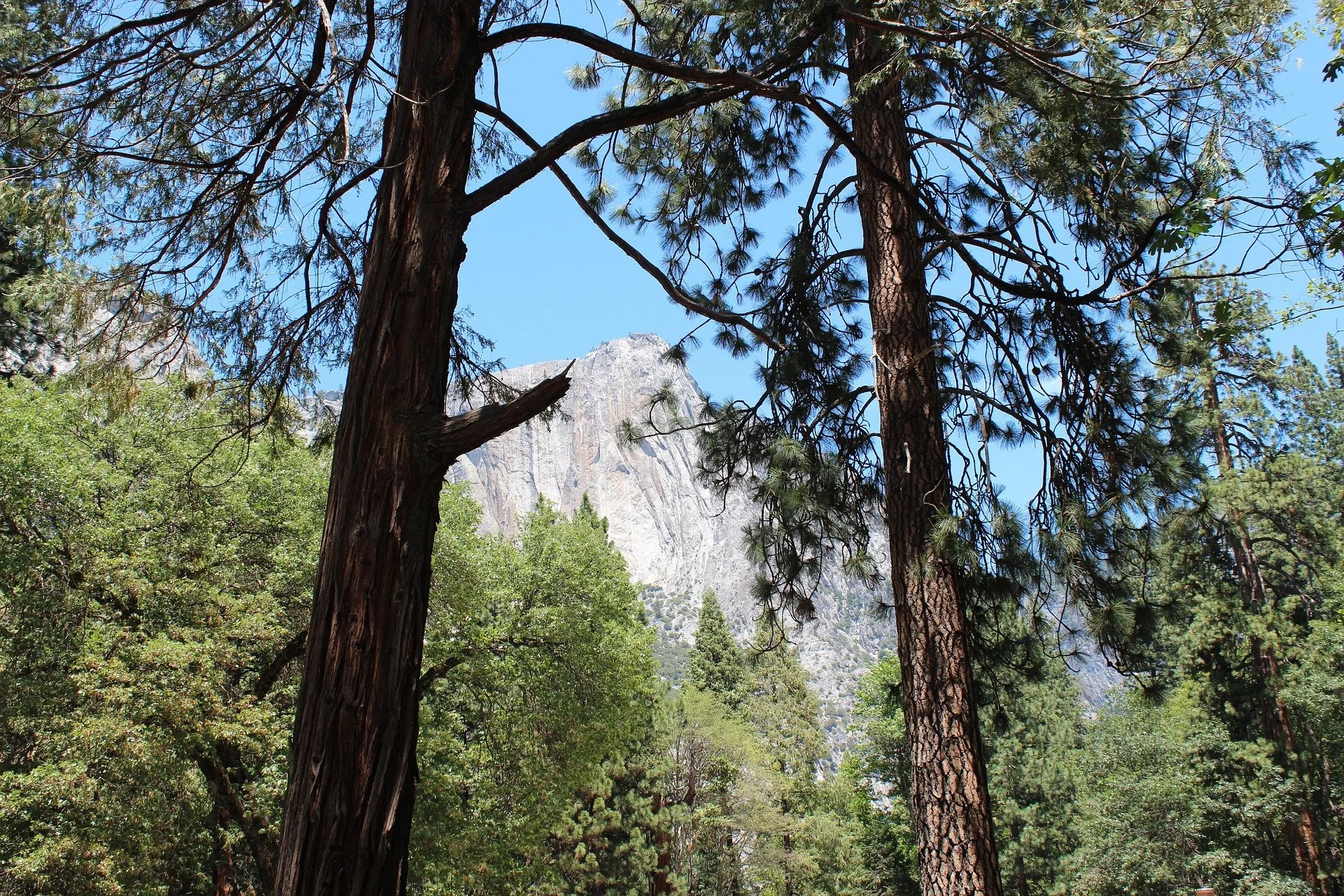
A 2024 report done by the National Parks Conservation Association found that 98% of US national parks are plagued by concerning levels of haze pollution. This unusually common condition, caused by man-made emissions like nitrogen and sulfur oxides, obstructs views for park-goers and distorts shapes and colors, making the experience a lot less scenic.
Another effect of air pollution is the acidification of surface water and excess deposits in soil. They happen when nitrogen and sulfur travel through the wind to parks and seep into the water and soil, changing their chemistry. The wildlife in most bodies of water and on land have not evolved for these environmental changes, so they can struggle to adapt and survive. Even if the immediate effects are not as bad for one lifeform as it is for another, the food chain, in which flora and fauna support each other, is disrupted by animals and plants dying, so they all suffer.
This condition can also increase the presence of toxic algal blooms which dominate native aquatic life and speed up the decline of species by depleting oxygen present in the water and blocking sunlight for deeper plants. For life on land, this can look slightly different because nitrogen acts as a fertilizer and nourishes plants. However, too much nitrogen causes an imbalance in natural ecosystems, as some plants are being favored over others. Long-term, excessive nitrogen and sulfur can alter the amount of plant and animal populations and increase insect, disease and fire outbreaks.
At the beginning of 2026, officials at Big Bend National Park issued a warning about “leaving no trace” after campers left a mess on a holiday weekend. This is an example of littering, another form of pollution. Littering can make animals sick, as they can't determine which food is bad for them. These animals also begin to associate humans with food, becoming more aggressive and increasing their presence in human areas. This threatens not only human safety but the animals’ reputations as well.
Littering also affects humans directly. Littered areas may have to be shut down to the public, while parks spend more money to employ cleaners. During the federal shutdown in 2025, national parks in the US didn’t have the funding or resources to keep on staff. This led to less restricted public access, after which rangers and other workers found an excess amount of trash around the parks.
In 1917, President Woodrow Wilson signed an act creating the National Park Service to “conserve the scenery and the natural and historic objects and the wildlife therein and to provide for the enjoyment of the same in such manner and by such means as will leave them unimpaired for the enjoyment of future generations”. What would he say if he saw the country now? It is up to us, the future generations, to continue this legacy of preserving America’s beautiful natural state for the enjoyment of ourselves and generations to come.