
Across social media, the garnering for a sense of individuality has become something increasingly sought after. Users share their “niche” interests, recommend obscure films and musicians, create lists of unconventional hobbies, and even build online identities around aesthetics that set them apart from popular trends. What was once a way to describe a specialized interest has evolved into a recognizable, almost necessary part of internet culture.
The appeal of being niche is closely connected to the desire for originality. On platforms where millions of users participate in the same trends, wear similar styles, and consume the same entertainment, having an interest that feels less common can offer a sense of personal identity. Clothing, music, and aesthetics have become particularly popular ways for users to distinguish themselves from the rest of online users.
PC: Unsplash
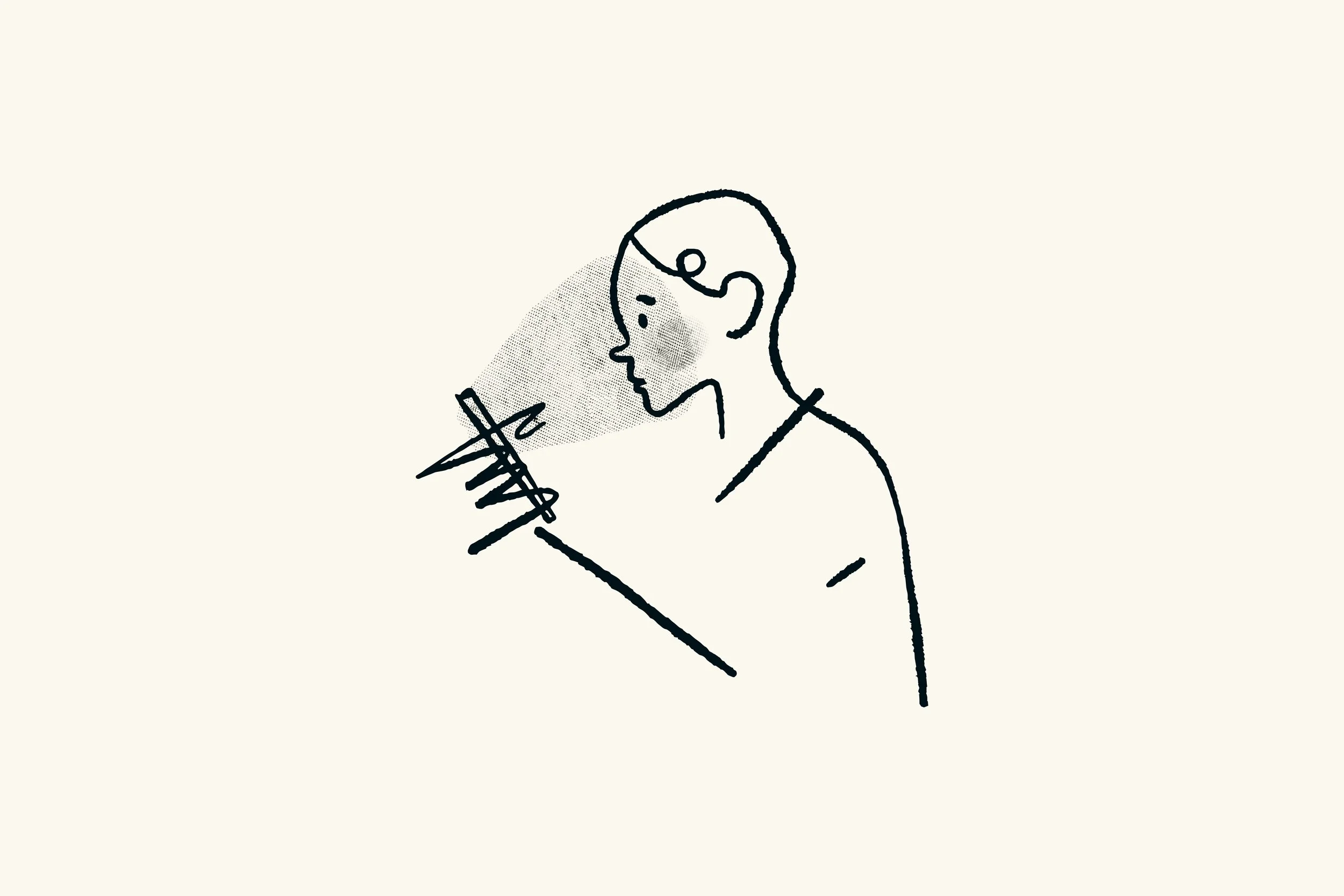
However, social media has created an interesting contradiction: the more people search for niche interests, the more mainstream those niche interests become. People often turn to platforms such as TikTok and Instagram to gather inspiration, where countless videos show up under search queries for “niche hobbies to pick up,” “niche artists”, and “niche fashion styles”. These recommendations show up for millions of people, and interests that were once considered relatively obscure reach wider audiences. With said wider audiences playing into this new “discovered” culture, it can quickly lead to thousands of people recreating similar outfits, lifestyles, and playlists.
The desire to have genuine interests and express an individual identity gets complicated when those identities are presented to an audience. Rather than simply discovering those interests naturally, many may feel pressure to actively search for seemingly “unconventional” ways to stand out. This performative authenticity within online spaces has transformed uniqueness into something that is curated, displayed, and measured through attention and engagement, instead of true passion.
We begin to question whether the pursuit of individuality can become a form of conformity itself. When a large number of people seek out the same "distinct" aesthetic in an effort to stand apart, they evolve into another recognizable trend which contradicts the original goal. The desire to be different, therefore, does not always result in complete uniqueness.
At the same time, the growing popularity of “niche culture” does not mean that mainstream interests have become any less valuable. Popular music, fashion, and entertainment are mainstream largely because they resonate with large audiences. Therefore, enjoying something widely popular does not make an individual’s interests less personal or meaningful.
The internet’s fascination with being “niche” ultimately reflects a broader desire to develop an identity in crowded online spaces. Whether it’d be through adopting new hobbies, exploring different interests or discovering new tastes, people continue to search for interests that feel uniquely their own – all the while, millions of others are also searching out for the same thing.