
The History of Love: Queer Resilience in History
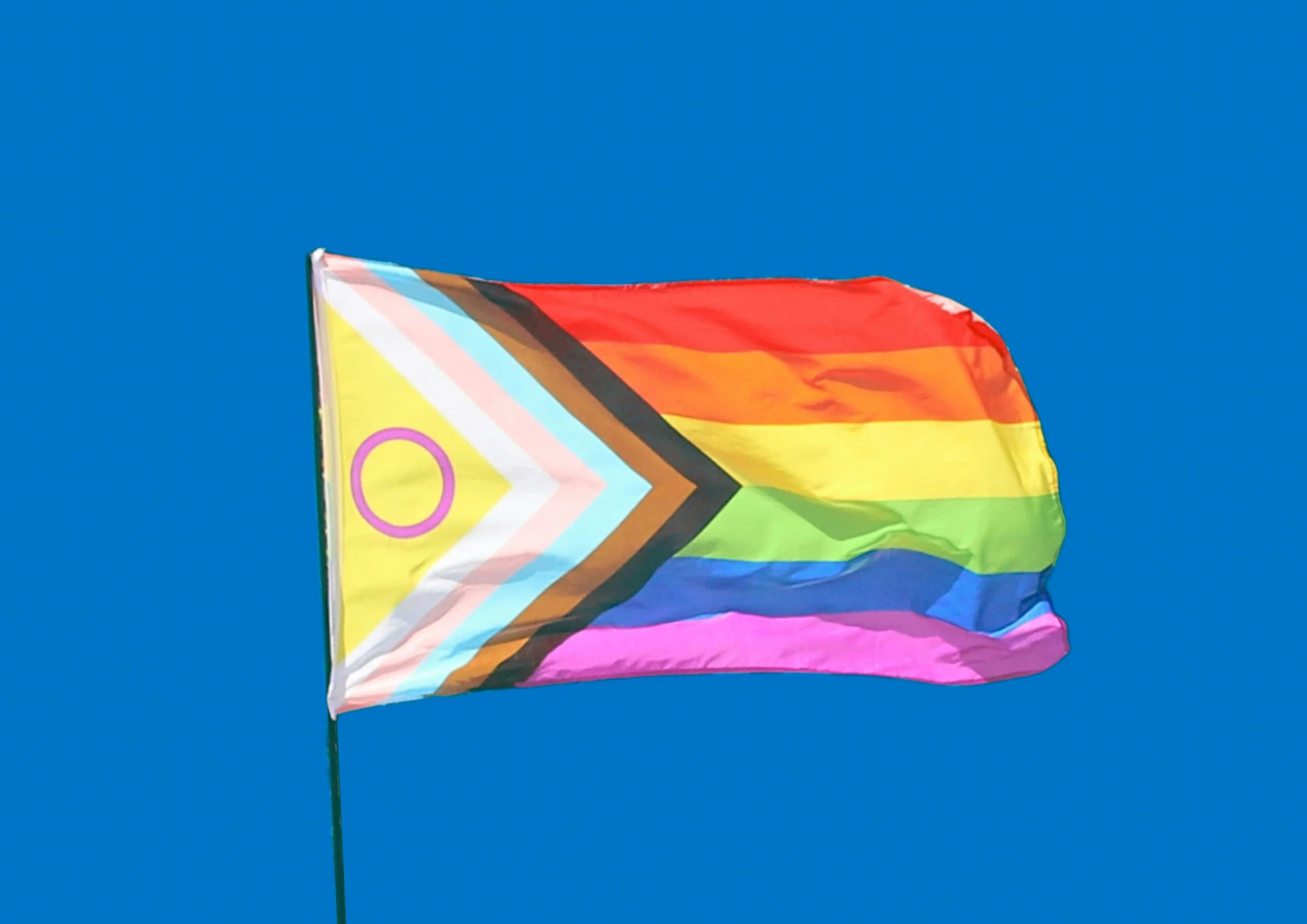
PC: Unsplash
During the “month of love,” different forms of love can fail to be represented in mainstream media. It’s especially important to recognize the rich cultural history of queerness throughout the modern era, as well as how each of our actions contributes to the development or detriment of the culture.
One of the most important riots in queer history, the first Stonewall Riot of 1969 had a large role in the re-modernized queer rights movement. Led most prominently by transgender men and women, the Stonewall Riots were the face of a new resistance. Although they are now in some ways commemorated for their efforts, transgender and queer people of color like Marsha P. Johnson and Sylvia Rivera had faced extreme discrimination by the queer community for decades. In an attempt to assimilate to the dominant “American” culture, many white queer community members shunned or outright erased voices of color from the movement.
In revolt, Johnson and Rivera formed the STAR organizations to advocate for not only queer community members of color, but also on behalf of the copious amounts of sexual assault cases in prisons, food and resources for all, and healthcare and shelter for the youth. Through cases of unity like these, the resilience and perseverance of queerness makes itself known; without these powerful voices of color, speaking up for the underrepresented members of color, the queer community could have remained unsafe for millions.
After the worldwide Aids outbreak, queer spaces were notably the most affected. Without government support and healthcare provided, hundreds of thousands of gay men in the U.S. alone passed from Aids. During this time, unity hit a peak; support found within the community brought surviving members closer together under the tragic circumstances of a lack of palpable healthcare. Ballroom culture, a sub-culture founded by African American and Latin community members, played another large role in the unity and communal aid during the time. With drag kings and queens heading ‘houses’ for any queer youth, caring for and protecting their members, Ballroom spaces accepted any person who was ‘queer’ (at the time, contextually meaning a person not fitting into traditional cultural boxes); this includes people of color, disabled people, impoverished people, incarcerated people, etc. The culture excluded no one and brought education and resources to all, a stark contrast to the extreme persecution braved by these people.
It’s still important to note the newfound differentiation between queer identities and transgender identities. Without the many transgender revolutions that thrust queerness into assimilationist spaces, the celebration of queer culture may have never been so rich. Transgender people of color have led this community through countless times of hardship, yet they fail to be widely recognized throughout history due to a need to ‘normalize’ queerness. This not only opposes the very concept of queerness, but also discredits the several trans voices who have lived and died for this cause. On a similar note, for a considerable amount of time, queerness and transgender identities were considered the same identity in most cases.
So, what is there to learn from this? For one, lack of respect for transgenderness and transgender identities is a problem that has plagued the community for decades. Acknowledging the struggles that these people have contributed properly allows for them to receive the credit that they deserve for pushing queerness into the mainstream. Additionally, the lack of respect for the intersectionality of queerness and identities of color diminishes the importance of millions of community members. People of color have done unimaginable work for the community, and without respect for them, there can be no respect for queerness as a whole.