
Why is Obsessive Behavior within Cultural Attire Deceitful?
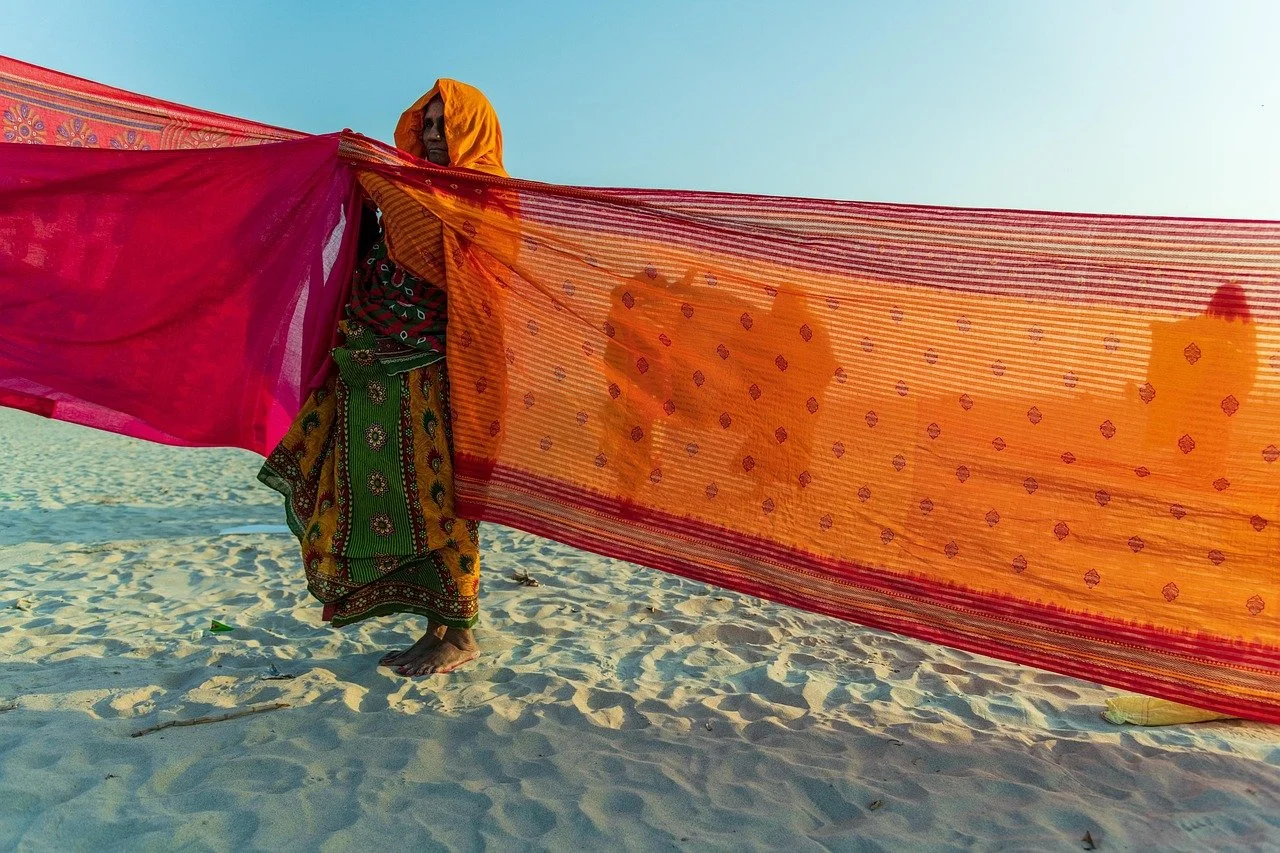
Photo by Pexels
Among the widespread culturally-inspired clothing online, many influencers have explored this fashion market in numerous ways. Modeling different cultural pieces as accessories has been a popular way for influencers to gain traction. With this trend comes the issue of whether or not sporting cultural wear can become too extreme. This has led to many communities spreading awareness against their culture becoming a brand.
Recently this issue was brought to focus at Coachella, a music festival in the desert basin of Southern California. The event features different music artists, and welcomes social media influencers who take a chance on their fashion choices with the signature boho style of clothing. The boho style originates from the bohemian culture, but the style fails to appreciate the culture it comes from. In recent years, celebrities have been called out by the marginalized communities on social media platforms like Tiktok and Instagram. This happened a few years back with looks such as model Alessandra Ambrosio and her controversial Native American headpiece, and Vanessa Hudgens who received backlash for dressing in a costume version of accessorized body jewelry and .
Unfortunately, this situation has caused cultural clothing to be renamed over the years. Social media has painted many cultural attires in a bad picture through marketing like Indian wedding jewelry, ponchos and bindis. While erasing historical traces of culture makes westernization a huge factor of subjecting clothing attire. Especially through functions that are seemingly spreading bad trends that can easily invoke colonized possession of clothing, since main elements of cultural attire is commonly worn for celebrations like Indian weddings that are deeply rooted in their tradition, which can easily be lost when it becomes a trend to the public. Initial reactions to Coachella outfits were filled with enraged remarks, with some Southeast Asian content creators calling out how it has tarnished their heritage. When stealing cultural attire, their identity is lost and it feels more beneficial for the larger influential community, bringing over stereotypical conceptions of someone’s culture. Due to these negative attitudes, many fashion boutiques like Zara, H&M and Princess Polly have capitalized on cultural clothing, like taking the idea of an Indian dupatta and creating their “scandinavian scarf”, erasing the cultural significance and altering it into a more Westernized style catered to consumers. These choices made by fast fashion brands have led to a surge in the popularity for plagiarized pieces.
By approaching clothing through attention grabbers on platforms and gain more popularity, potentially brainwashing people into rising trends without being well-educated on cultural fittings. The unethical clothing choices of celebrities have affected people of many cultures, as it has shed a bad light on their cultural clothing. Influencers have used their privileged status to veer the fashion industry towards a fine line between style and cultural appropriation, and the industry itself is willing to go to any lengths for a cash grab.