How Recent Changes in Immigration Legislation Has Impacted the People
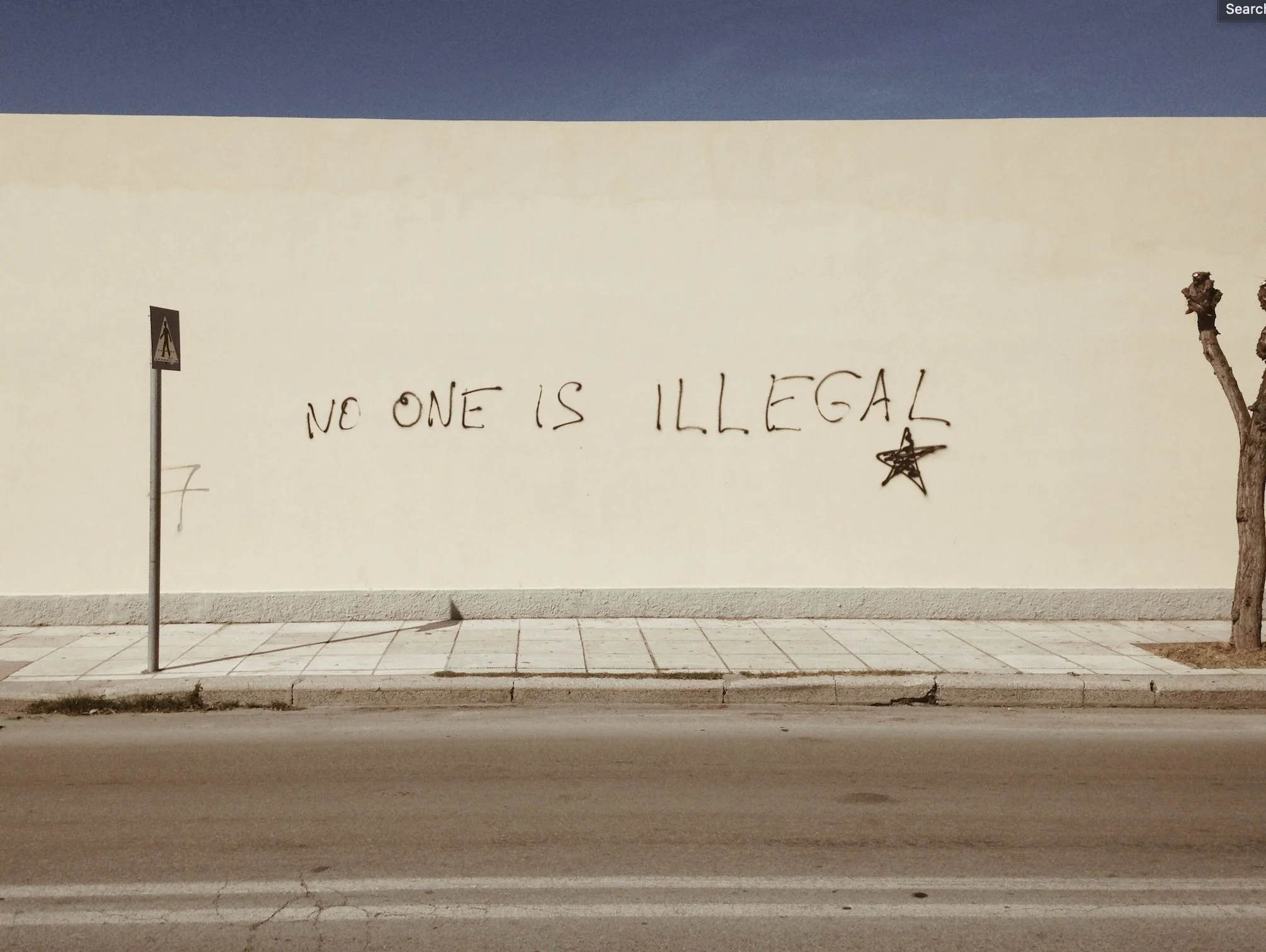
Photo by Unsplash
“All animals are equal, but some animals are more equal than others.” In George Orwell’s “Animal Farm”, originally wrote this statement as an allegory to describe how totalitarian governments view their citizens. Throughout civilization, the goal of a government has been to create a society where everyone is treated equally. One of these attempts at a truly equal society was democracy, a form of government where groups of individuals work together for the greater good of their society. And while democracy is meant to ensure equal participation for all citizens, American history tells a different story – one in which some voices have always counted more than others. With a slight shift in language, Orwell’s quote captures the contradiction at the heart of American democracy: “All [Americans] are equal, but some [Americans] are more equal than others.” Throughout its history, the United States has redrawn the boundaries of political participation to favor particular groups while excluding others.
In 2025, President Donald Trump made many changes in immigration legislation, testing the limits of executive power and raising fundamental questions about equality and due process in America. These actions include efforts to restrict birthright citizenship, increase mass deportations and impose additional visa bans on specific countries. Many believe that Trump reinforces the belief that not all Americans are equally entitled to democratic rights. As more and more foreigners migrate to the United States in search of financial freedom, a new life or fleeing from war or violence, immigration legislation in the United States begins to target certain communities, like Latinx and Asian people. One significant change that has been happening is the increased presence of Immigration and Customs Enforcement (ICE). This undermines immigrants' sense of belonging in the American identity through detainment and deportation.
Despite political rhetoric suggesting otherwise, the U.S. Constitution guarantees certain fundamental rights to all persons within its borders, regardless of citizenship status. The Fifth and Fourteenth Amendments ensure that “no person shall be deprived of life, liberty, or property, without due process of law,” and that all persons are entitled to equal protection under the law. The Supreme Court has repeatedly affirmed that these protections extend to undocumented immigrants:
In Yick Wo v. Hopkins (1886), the Court ruled that the Equal Protection Clause applies to all individuals, not just citizens.
In Plyler v. Doe (1982), the Court struck down a Texas law barring undocumented children from public schools, confirming their status as “persons” under the Fourteenth Amendment.
In Zadvydas v. Davis (2001), the Court prohibited indefinite detention of immigrants, even those with final removal orders.
This climate of fear alienates immigrant communities and paints them as outsiders, undeserving of democratic rights. ICE and Trump’s administration take advantage of the lack of knowledge around these vital laws and frequently violate immigrants’ and refugees’ rights.
Now, people are constantly living in fear, from a Guatemalan man climbing up a tree when ICE agents intercepted him in San Antonio, to parents being afraid to send their children to school out of fear that ICE will enter and take them away. According to surveys by the ACLU and the National Immigrant Women’s Advocacy Project, increased immigration arrests, including at courthouses, have deterred many immigrants from reporting crimes or participating in court proceedings, undermining both public safety and the justice system.
If all of this is unconstitutional and against the law, why doesn’t the Supreme Court or Congress stop this from happening? President Trump has been persistent in pushing the boundaries of his power and has publicly questioned the extent of constitutional protections for undocumented immigrants. While dozens of federal judges – including those appointed by both parties – have ruled against his administration’s most controversial policies citing violations of due process and constitutional protections, the legal process is often slow and contested. The Trump administration has sometimes avoided asking the Supreme Court to directly rule on the constitutionality of its actions, and has instead sought to narrow the scope of lower court injunctions so that its policies can still take effect for most people. Some recent Supreme Court decisions have allowed the administration to use rarely invoked wartime powers to speed up deportations. Critics argue that these rulings make it harder for affected individuals to challenge their deportations in court, especially for those without legal representation or English fluency.
President Trump and his version of “democracy” operate on the belief that some people are less deserving of protection. But ultimately, policies that undermine the democratic rights of some undermine the rights of all. The American democratic experiment has long been marked by a contradiction. While promising liberty and justice for all, it has repeatedly redefined who “all” includes. The Trump administration has made harrowing efforts to deconstruct progress, rolling back voting rights, restricting immigration and legitimizing white nationalist rhetoric.
This is not a new concept, but rather a part of a long legacy of preserving power by narrowing the pool of participants. The problem occurs when certain voices are given louder platforms than others, when we constantly worry about the “other”. And when the government supports and helps establish the laws allowing these inequalities, that is when democracy fails. It fails when human beings are seen as objects and tools. It fails when hatred and anger are the first thoughts that come to mind when thinking about the opposing side. It fails when the checks and balances on the executive power falters. If democracy is to mean more than a hollow promise, it must be reclaimed by those who believe in a future where power is shared, not hoarded – where inclusion, not exclusion, defines what it means to be American.