
Political Compromise
To continue reading from the print newspaper, search for “Continued from print here”.
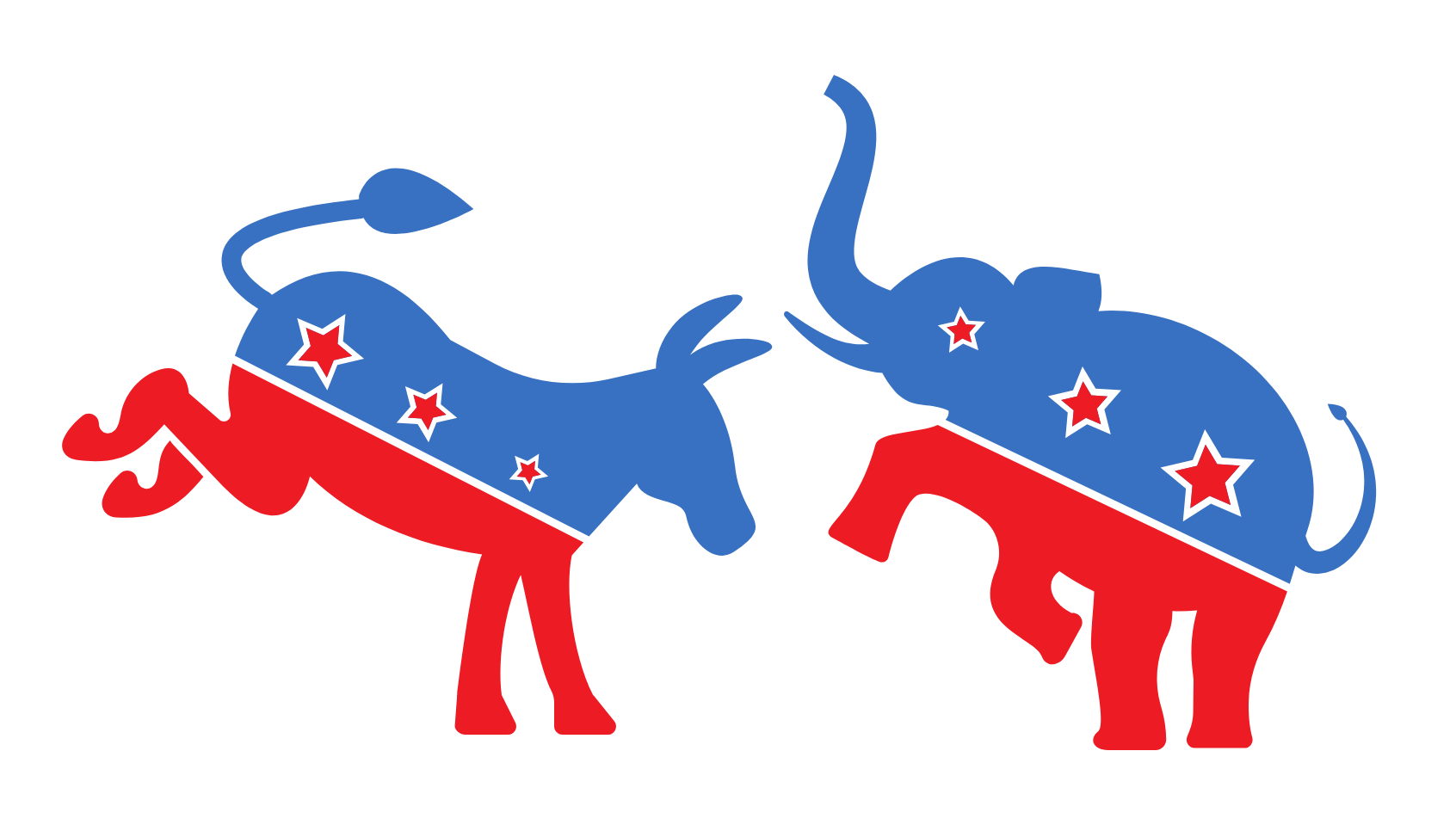
PC: Ayra Govil ‘27, Canva
We’ve heard plenty this summer about the determined, single-minded revolution that led American colonists to glorious freedom two hundred and fifty years ago. This July saw constant celebration of the victories and moments of unity that formally titled us a nation – but if you ask what really made America, what will any APUSH teacher tell you? Years of bitter debate, Continental Congresses, heated communication and, inevitably, compromise. That’s how the American political system has always worked.
But recently, it hasn’t been working. In the past few presidential terms, compromise between parties has not been apparent, which begs the question: can the United States run without compromise? If not, is it running right now?
To contextualize the politics of today, we can look back through the centuries. Former President Abraham Lincoln, the first Republican president, built a cabinet of such political variety that historians call it a “team of rivals”; this included political rivals, wartime Democrats, and moderates. In the 1940s, mid-World War II, staunch Democratic President Franklin D. Roosevelt appointed prominent Republicans to lead the Army and Navy. In the ‘50s, Eisenhower had a diverse cabinet of liberals, conservatives, Democrats, and Republicans. So did President Kennedy. So did President Clinton. What resulted from all this compromise?
Progress did. Lincoln famously brought the country back together, winning the Civil War and the South back. FDR held American morale together through the world’s most trying times. Eisenhower’s politics helped the country stitch itself together postwar, and JFK witnessed the incredible Civil Rights movement of the 60’s and 70’s. Clinton’s policies spanned the entire political spectrum: welfare reform, Don’t Ask, Don’t Tell, budget balancing, and NAFTA.
With those visions of productive government in mind, let’s consider the current stagnation of the United States. The 21st century has seen the longest government shutdown in American history, all because of the lack of communication within Congress. Our current president is a conservative Republican who has appointed like-minded conservative Republicans to nearly every post of power. His party holds a majority in both Houses. President Trump has fired off more Executive orders in his first one hundred days of term than any other president in history. And yet, despite these apparent wins, many Republicans are deeply unhappy with progress under this administration. And Democrats aren’t happy either. So what’s going on?
In the past, political parties often shared a goal, but simply differed on how to achieve it; today, it feels like everyone on the political spectrum has a totally incongruous vision for America. Parties stand at odds on every issue of the day. Historically, major schisms in American politics have occurred over a single issue: Prohibition, abolition, foreign policy, isolationism, the Vietnam War, etc. Today, parties disagree on nearly every vote: abortion, vaccines, DEI, foreign policy, healthcare, public infrastructure, and more. Political affiliations have become entire identities that determine your personality, your faith, and your opinion on thousands of issues. Essentially, politics have become synonymous with the moral self.
This conflation is exactly what makes it so hard to compromise – any middle-ground decision is an ideological loss.
Continued from print here
In order for anyone to be happy, one side must lose entirely. Obviously, this isn't ideal for a huge population split nearly down the middle. Either way, one hundred seventy-five million people are disappointed.
So this righteous standoff, lacking compromise, isn’t what everyday voters want to see. Most Americans don’t really care about lofty ideals and values– they care about results and steady, visible, everyday progress. They want real solutions to the issues that plague us all. And the way to achieve that isn’t by standing on opposite sides of a chasm and stomping petulantly until the other side gives in– the eighty-day shutdown was proof enough that no party is caving. The way to achieve results is by communicating on all levels, from high school to the White House. We as citizens need to start meaningful, productive conversations with other Americans– what we want, what we don’t want, and how to work together on a future for everyone.