
The History of Asian and Pacific Islander Communities in the Bay Area
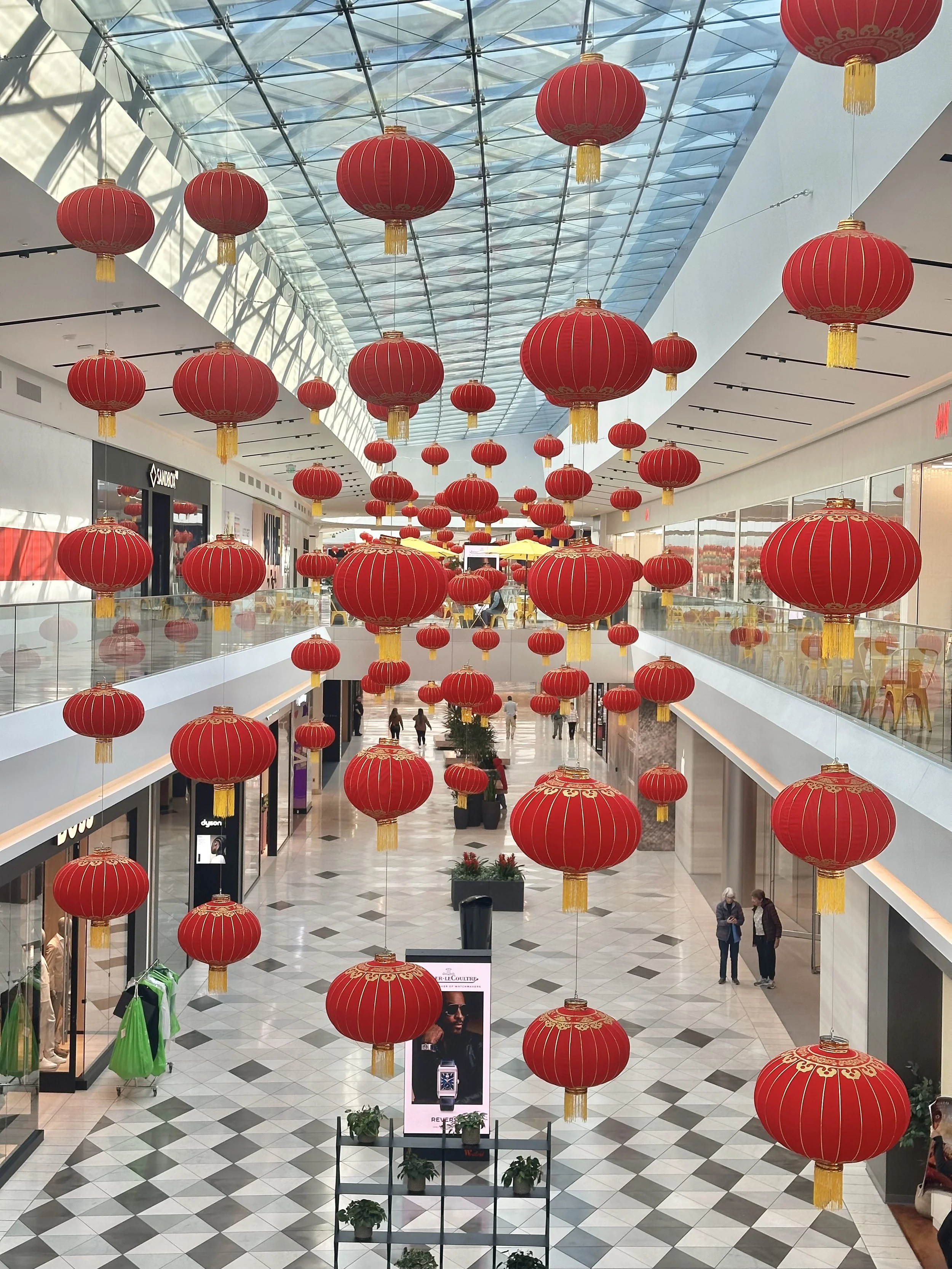
PC: author
To continue reading from the print newspaper, search for “Continued from print here”.
Lately, it seems everyone is experiencing a “Chinese time of their life.” Everyone on TikTok is jumping on this bandwagon: from drinking hot water first thing in the morning to wearing red for Lunar New Year, Chinese culture has become the latest trend. However, this phenomenon is nothing new. There have been similar waves before, with the overwhelm of tourism in Japan, the global obsession with Korean beauty and pop culture, and the commodification of culturally significant foods like matcha and ube.
The issue isn’t appreciation, but how shallow this appreciation often is. People perform these cultures as aesthetics, without taking the time to understand the history, context or significance of them. With Asian American Pacific Islander Heritage Month approaching, it is an opportunity to educate people about the cultural roots and lived experiences tied to these practices. In the Bay Area especially, AAPI communities are deeply woven into the fabric of the region’s identity, and this month should bring awareness to stories that go beyond trends — stories of resilience, oppression and cultural preservation.
The first wave of Asian immigrants to the United States were Chinese migrants, who began arriving in San Francisco in large numbers during the California Gold Rush. Despite their massive labor contributions, the general American population felt threatened, resulting in the Chinese Exclusion Act of 1882. This act banned the immigration of Chinese laborers into the United States, restricting the community’s growth until it was repealed in 1943. Fortunately, the Bay Area’s Chinese American population has endured and San Francisco’s Chinatown remains a historic and cultural anchor today.
Japanese immigrants began to settle in the Bay Area in the late 19th and early 20th centuries in order to escape the economic hardships following the Meiji Restoration. During World War II, many were forcibly incarcerated, losing their homes and livelihoods. This mass incarceration displaced many from their homes, with some of them never regaining their prewar property or wealth.
Continued from print here
Despite this, the Japanese American community has demonstrated incredible resilience, and San Francisco’s Japantown, Nihonmachi, remains a symbol of resistance and the oldest Japantown in the United States. The Japanese American Museum of San Jose also offers a unique exploration of this resistance, with a collection of permanent and rotating exhibits that chronicle over a century of Japanese American history.
After the fall of Saigon in 1975, hundreds of thousands of Vietnamese refugees fled the country, with many risking their lives at sea as “boat people.” Seeking safety and fleeing a communist regime, large numbers resettled in the United States, with the South Bay and San Jose becoming the most significant destinations. Today, the Vietnamese American community makes up ten percent of San Jose’s population, with Little Saigon and Grand Century Mall serving as vibrant cultural and commercial hubs.
Many other Asian ethnic groups have also found a home for themselves and their communities in the Bay Area. In the 1960s, the Filipino community established a thriving neighborhood dubbed “Manilatown,” while San Francisco’s Korean center seeks to explore the richness of Korean culture and history.
Moving beyond surface-level trends means recognizing the history of exclusion and oppression that these communities have gone through, a history that to this day shapes cultural behaviors and practices. By taking time to learn and listen, appreciation can become a meaningful connection with a new culture, rather than a clickbait title for an Instagram reel.