Ways to Avoid Misinformation and Get News From Trusted Sources
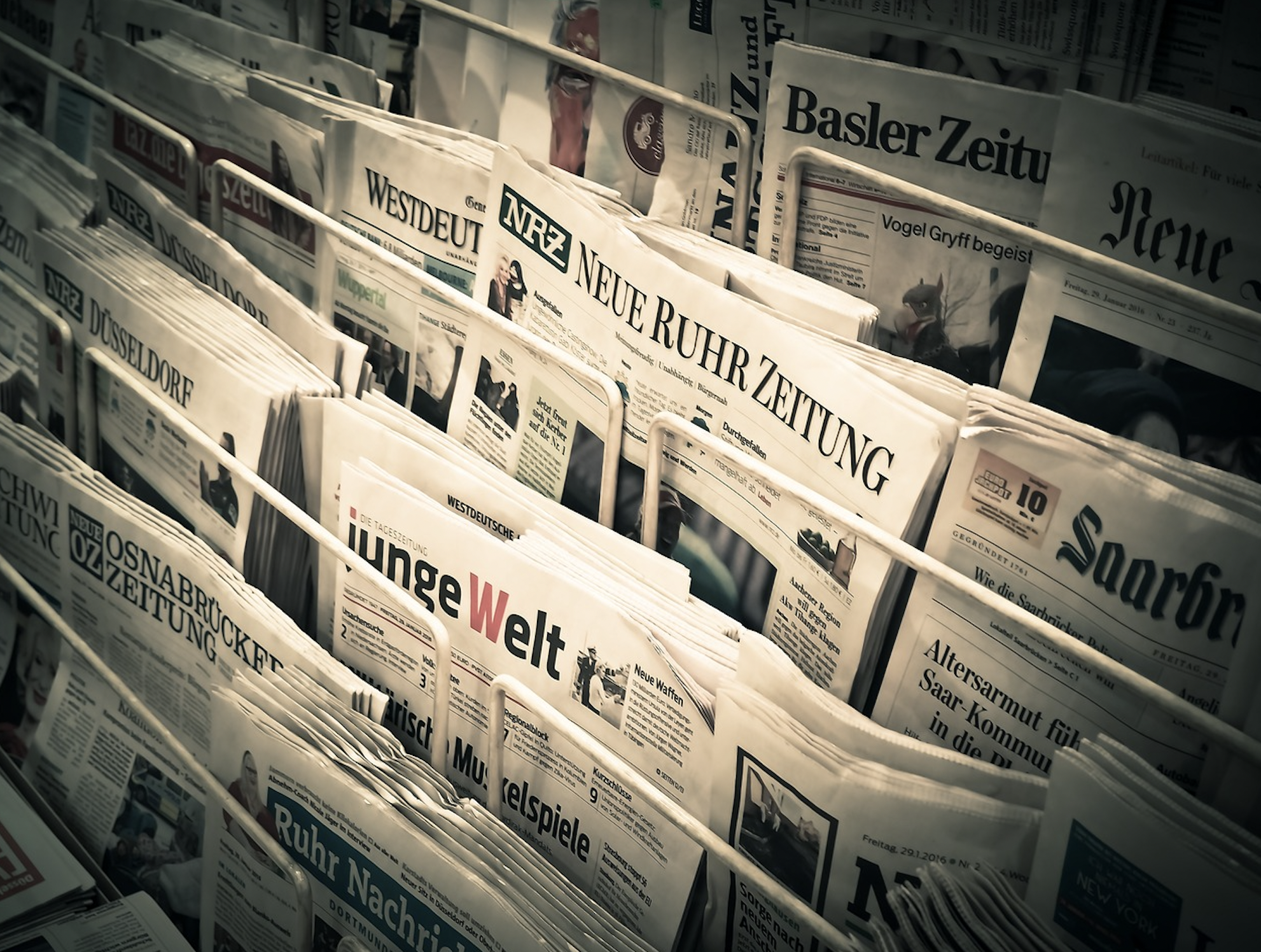
PC: Pixabay
In a time where there’s a lot happening around the world, it’s become increasingly important to stay up to date on current events. However, with the misinformation epidemic circulating around social media platforms and news outlets, this has become more difficult. Here are some ways that you can stay informed while also practicing media literacy.
According to Pew Research Center, trust in social media as a news source has grown a substantial amount across all age groups since 2016, while trust in national and local news outlets has declined.
While information on national and local news channels and websites are typically fact checked, going through editorial review before publication, on social media platforms, all somebody has to do is post. Social media, though fast and convenient, is not always reliable and is a major source of misinformation.
Oftentimes, when people come across news online, they get tricked by flashy headlines, artificially generated disinformation, and deepfakes (artificially generated videos), contributing to the ongoing crisis of fake news.
In the early development of images generated by Artificial Intelligence (AI), it was easy to spot an extra finger or a disfigured ear; but, as AI has evolved, spotting these errors has become harder. Now, finding mistakes requires more effort, like paying greater attention to details that don’t look real, figuring out if the image is too “perfect”, or reverse image searching.
With reverse image searching, if the image is AI, it’s less likely to show up across the internet than one that is real. This tactic can also lead you to the original source of the image, possibly revealing if the photo is AI or not. The same goes for deepfakes as well; if the video has bad quality, or is extra grainy or blurry, chances are that it is AI-generated.
While AI is a significant factor, it’s important to note that it is not the only way that misinformation arises. Many spread it through casual written or spoken speech with the intent to cause harm. There are multiple reasons why this may occur, some of the most common being that of ignorance, higher viewership, shock value, and money. But, if you stay extra cautious and fact-check what you see, your chances of becoming victim to the clickbait can significantly decrease.
Ultimately, the best way to avoid this is to steer clear of getting news from social media platforms altogether. However, if you do get your news from social media, it's vital to verify your information through reputable news sources that you know you can trust.
Public media organizations that are non-profit or funded through the public such as BBC, NPR, AP, and PBS are some of the best sources because of the balanced, non-biased information that they provide. On the other hand, privately owned media companies are often motivated by profit rather than civic engagement, putting an emphasis on negativity and conflict, creating greater political polarization. Publicly owned organizations work to foster understanding amongst polarized groups, as well as encourage respect between political parties through factual data. This form of press is truly made for the people, which is why it’s important to take advantage of it when trying to stay informed.
Hopefully, these strategies will help you navigate the influx of current events and technological advancements in the future.