
How Cold is Too Cold? The Science and Psychology of Winter Chill
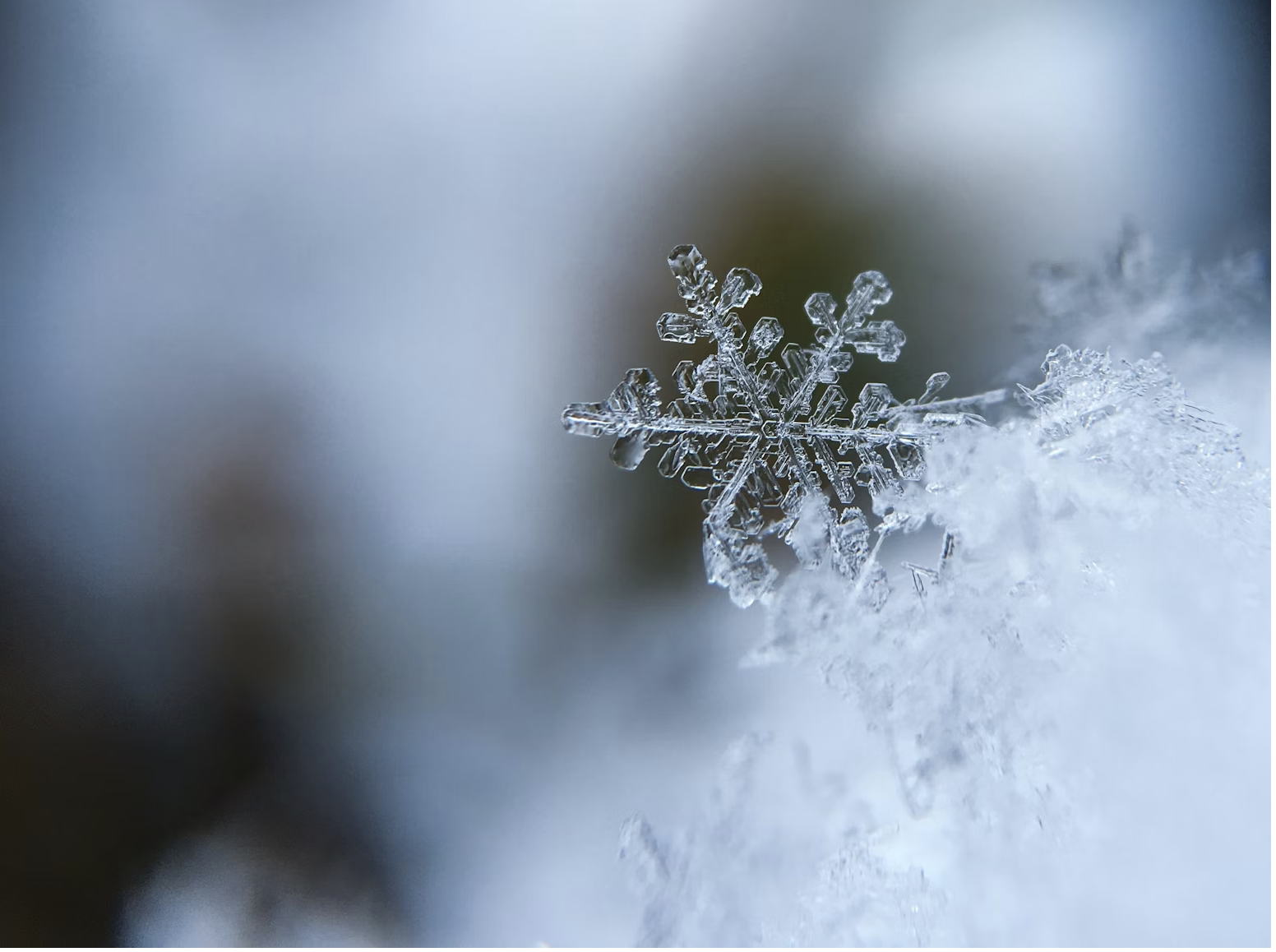
PC: Unsplash
When temperatures begin to plunge, the question arises: how cold is too cold? The answer lies at the intersection of biology, physics, and psychology, revealing that our tendency for chill is as much mental as it is physical.
From a scientific standpoint, the human body maintains a core temperature of approximately 98.6 degrees Fahrenheit. Once the air dips below 50 degrees Fahrenheit, the body begins conserving heat by constricting blood vessels in the skin. At around 32 degrees Fahrenheit, frostbite risk increases, especially in body parts such as the toes, fingers, and ears. Hypothermia, which is known as an anguishing drop in temperature, particularly increases when wind and moisture strip away the body's insulating heat.
Despite these scientific facts, not everybody feels cold in the same way. Researchers find that this difference points to a mix of genetics, adaptation, and perception. People who live in Nordic countries, for instance, report feeling comfortable at temperatures that would send someone from a tropical climate shivering indoors. When individuals are given frequent exposure to colder temperatures, the nervous system recalibrates, making the same temperature feel less intense over time.
Psychology also shapes our experience of cold. Studies show that simply believing it is cool outside can make us feel colder, a phenomenon tied to expectation and attention. On the contrary, positive framing, such as viewing a snowy walk as invigorating rather than punishing, can reduce perceived discomfort. Even clothing choices can play a psychological role; bright, cozy attire can enhance warmth perception compared to dull layers.
Wind chill and humidity add further complexity to the equation. A 20-degree Fahrenheit day with strong winds can feel similar to 0 degrees Fahrenheit, as moving air accelerates heat loss. Dry cold tends to feel crisper and more tolerable than damp cold, which conducts heat away faster. These factors make the same thermometer reading feel drastically different depending on the conditions.
Ultimately, “too cold” is a feeling that can only be indicated by one's personal threshold influenced by biology, culture, and mindset. For the body, danger begins around freezing temperatures without protection. For the mind, it depends on how we frame the chilling frost. As climate extremes are beginning to grow more frequent, understanding both the science and psychology behind the chill we feel may not only help us survive, but also to embrace the icy edge.