
Can You Ethically Separate Art From the Artist?
“Harry Potter”, “Graduation”, “Manhattan”, “Euphoria” – what do these works have in common? Aside from being critically and popularly acclaimed, all of these works and their controversial creators have sparked debate in one of today’s most heated pop culture debates – can we really separate the art from the artist?
The short answer is no, and the reason is this: art is self-expression. No painting, sculpture, book, song, or movie can exist in a vacuum; if an artist worked hard on a piece, dedicating time, headspace, and effort to it, then their art is inarguably a reflection of them. It might not be obviously reflective of their worst qualities, but it definitely holds some part of its creator within itself– even if that creator was an objectively terrible person. For example, if a beautiful song with profound lyrics about kindness and compassion was written by a pedophile, then the song is about a pedophile’s kindness and compassion. That doesn’t mean the lyrics can’t be inspiring, or that we shouldn’t practice kindness or compassion; it just means that they carry a part of the writer, for better or for worse.
If art can’t be separated from the artist, then how are we supposed to enjoy anything? The unfortunate truth is that so many producers, singers, actors, and writers have turned out to be horrible people. Some of the most popular works of our time come from dubious creators – Elvis in Memphis, by Elvis Presley, a proven pedophile; Harry Potter, by transphobic and racist J.K. Rowling; Take Care, a platinum album from alleged pedophile Drake; Victorious, a staple Nickelodeon show produced by Dan Schneider, a producer with a reputation for harassment and workplace abuse – the list goes on. So much of the art we consume - tenets of our culture - are controversial.
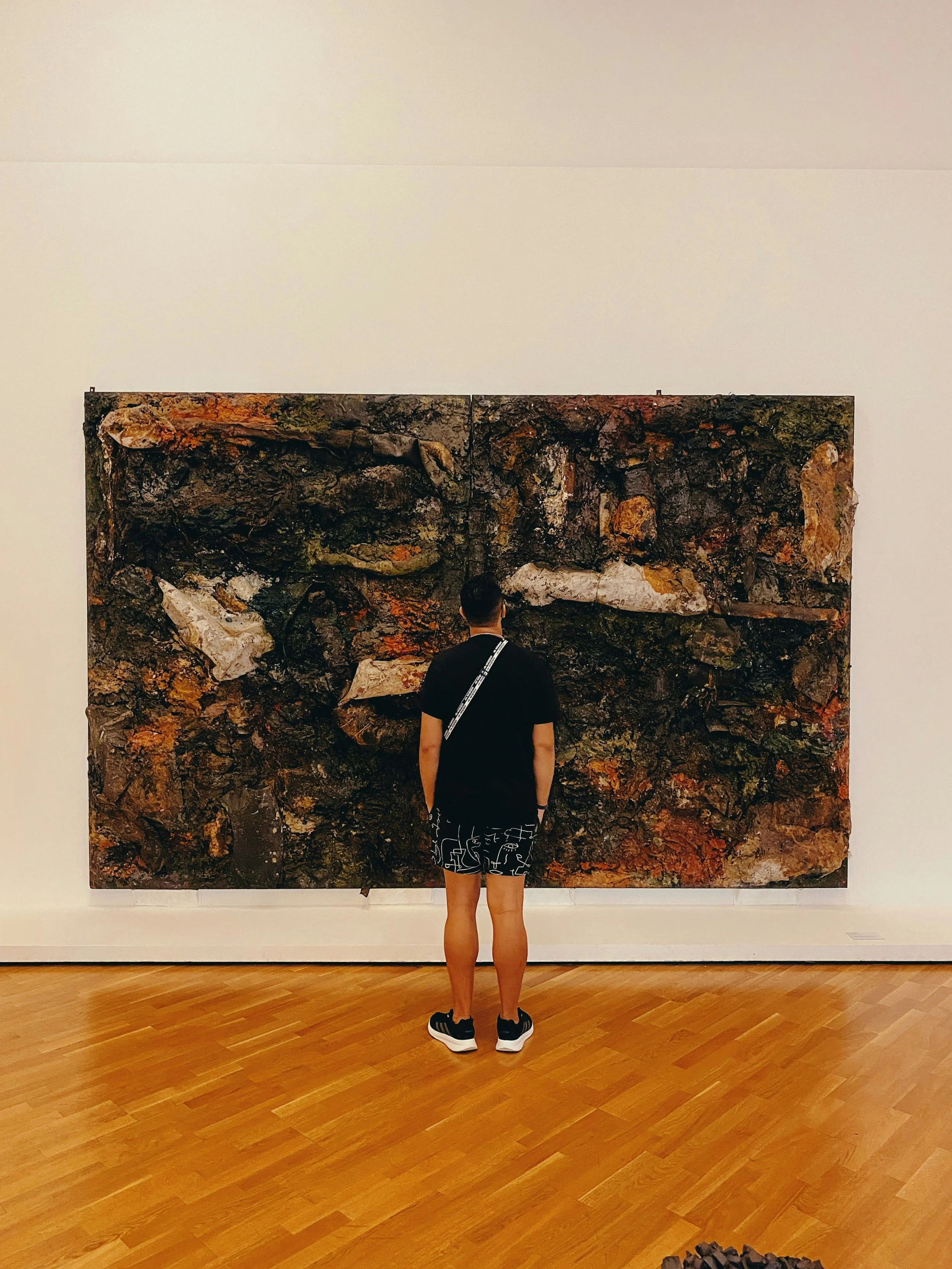
PC: Unsplash
So here’s what you can do. You can borrow CDs and DVDs from the library, where none of your money supports the artist. You can also stream music on non-premium accounts of popular streaming services, which generates significantly less revenue for the creator. But at the end of the day, there’s not a whole lot you can do to avoid rightfully paying someone for consuming their product.
The burden rests with you, the consumer, to know what an artist stands for and decide for yourself the values you want to support.