
The Effects of Immigration Raids on Children In School
The school day remains the same for most children, with backpacks slung over their shoulders, ears open to morning announcements, and the quiet hum of routine. But for thousands of students from immigrant families, that routine is shadowed by a life-changing question that lingers before the bell even rings: Will my family still be together at the end of the day when I get home? Immigration raids, whether they occur nearby or across the world on the news, are a fear that does not stop at a child's front door. It follows them into the hallways, onto playgrounds, and into classrooms.
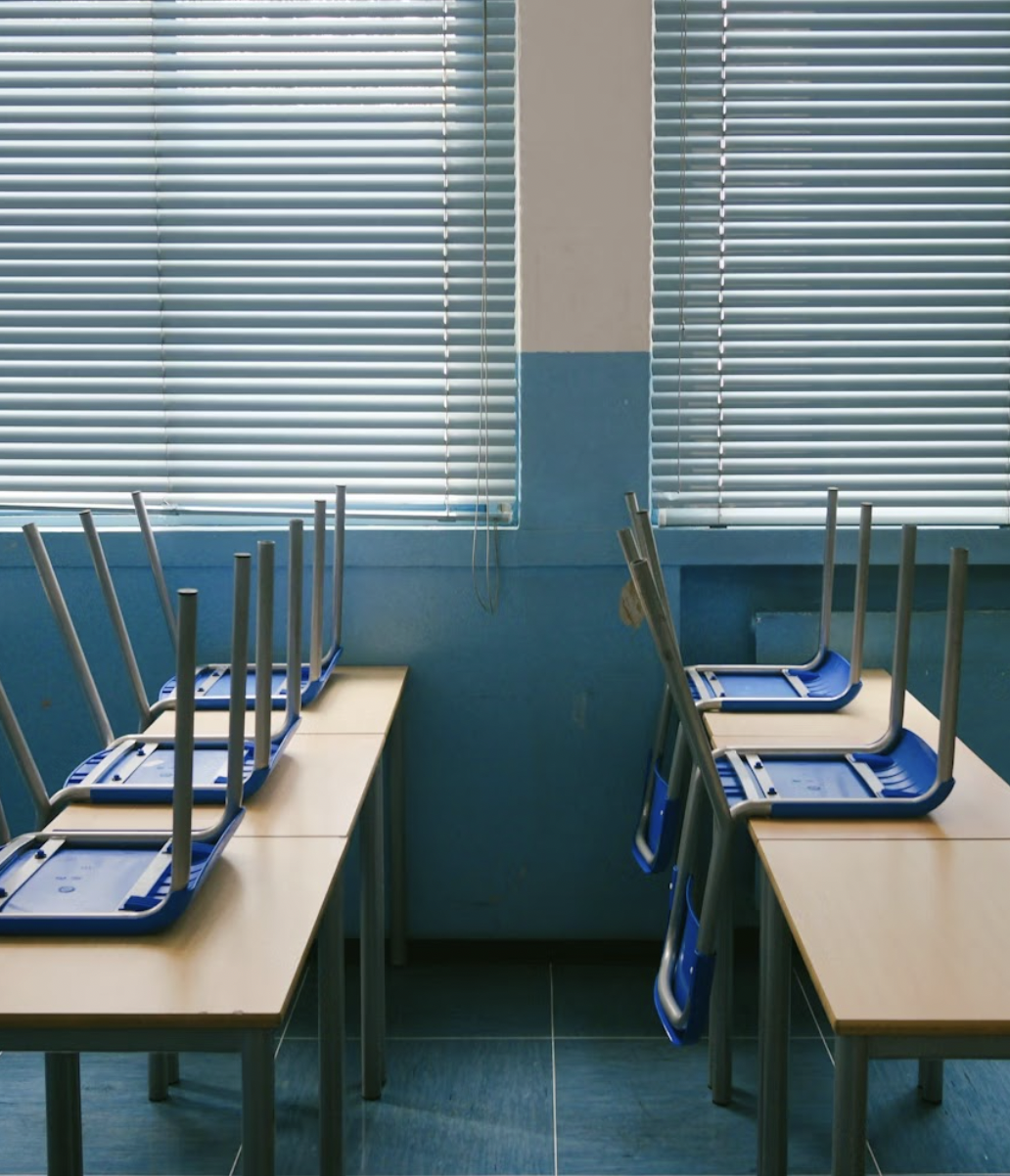
The impacts often begin with absence. After a highly publicized raid, the classrooms are empty. Students stay home out of fear that their parents will not be there at the end of the school day. Learning becomes impossible when survival feels uncertain.
For children who do attend school, their fears manifest in different ways. Counselors and educators observe rash behavioral changes, reporting irritability, discomfort, and emotional outbursts. Younger children may regress, struggling with separation anxiety, while older students carry a constant hypervigilance, monitoring unfamiliarities. The once predictable classroom becomes yet another place where danger feels increasingly plausible.
PC: Unsplash
Despite misconceptions, the trauma does not simply discriminate based on legal status. Even children who are U.S. citizens absorb the fear of losing parents, relatives, or friends. Studies show that exposure to immigration enforcement is linked to increased anxiety and depression, and chronic stress in children. This chronic stress disrupts major brain functions such as memory and emotional regulation, two factors both related to academic performance and well-being.
Educators are left to manage the fallout, often with limited resources to support their students. Teachers are not trauma-informed personnel, yet they become the first responders to their students' fears. To combat this, schools have declared themselves as ‘safe zones,’ meaning they are aiming to increase mental health resources or are communicating with families directly about students’ rights. These measures help, but they cannot fully protect children from a system designed to intrude upon their most basic sense of stability.
Immigration raids do not end when officers leave a home or their workplace. They linger in classrooms, fill empty desks, haunt distracted minds, and watch as children carry adult-sized worries. If schools are aiming to serve as places of learning, policymakers must reckon with the hidden costs of enforcement, which lie in the emotional lives of children who are trying to learn while fearing the loss of everything familiar.