
XLOV: Breaking Gender Stereotypes in the K-pop Industry
Seoul, South Korea – Jan. 7, 2025: The fifth-generation K-pop group XLOV has made its long-anticipated debut. With bold makeup, avant-garde fashion, and a genderless concept, XLOV is redefining what it means to take the stage in today’s K-pop industry. While their concept translates directly from Korean as “genderless,” it is more aligned with the Western concept of “androgyny,” blending elements of both masculinity and femininity. Through their distinctive presentation, XLOV delivers the powerful message that self-presentation should not be limited by gender identity.
The group is composed of four members, each with distinct talents and appeals. Wumuti, the leader and producer, first gained recognition on the survival show “Boys Planet.” Rui, known as Chen Kuan Jui from that same program, serves as the group’s main dancer and is a contortionist trained in traditional Chinese dance. Hyun, making his industry debut, was personally selected by Wumuti, a close friend, for embodying the group’s vision. This lineup is completed by Haru, the youngest member, and another former “Boys Planet” contestant. Together, they form a group that breaks gender stereotypes and challenges convention from every angle.
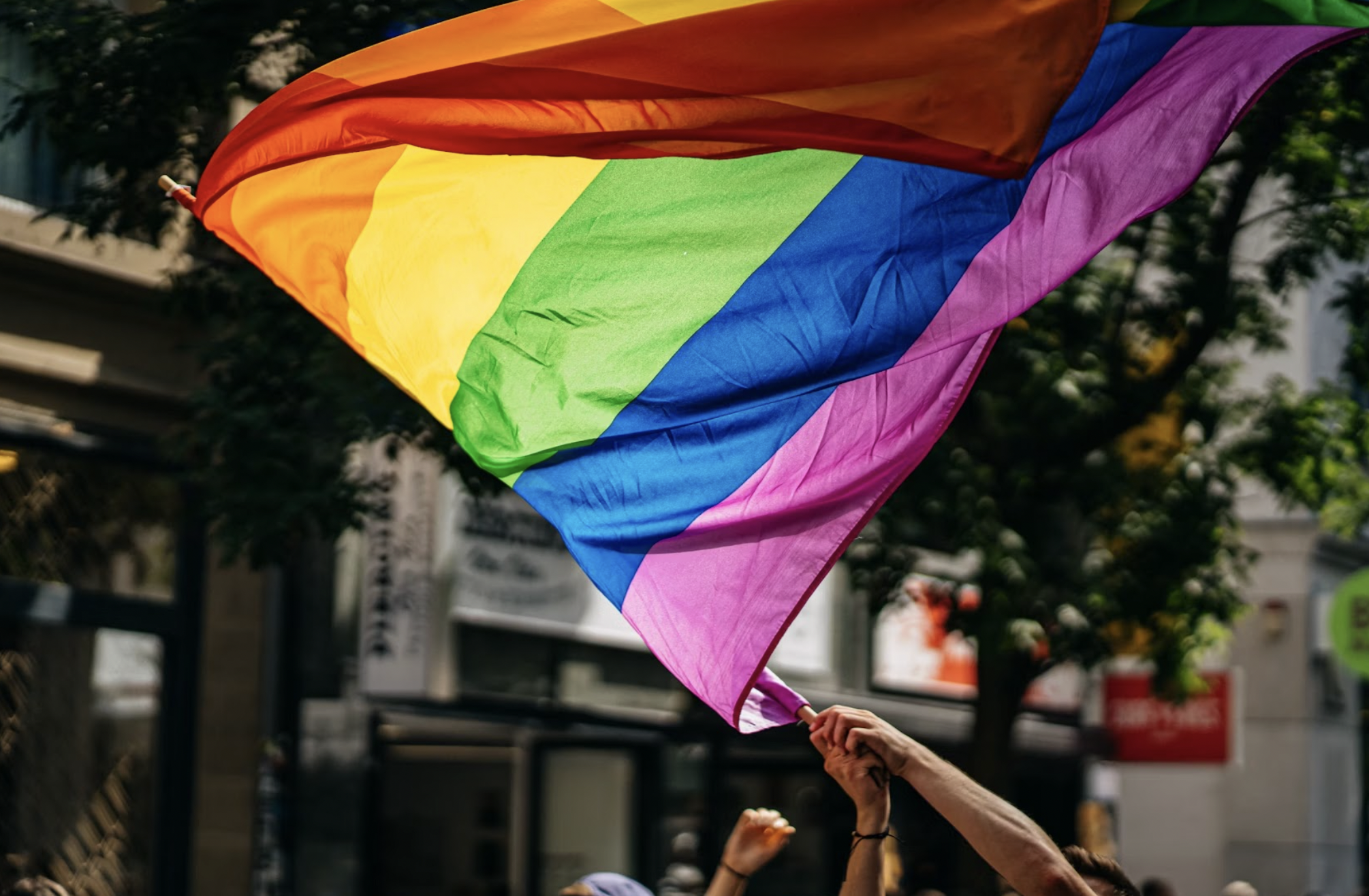
PC: Unsplash
Unlike most male K-pop groups, XLOV has cultivated a primarily queer audience. Traditionally, male K-pop groups are able to build their fanbase by catering to the female gaze, relying on generically romantic lyrics that frame the fans as the object of their affection. Groups catered to the LGBTQ+ community are few and far between, with queerbaiting being the furthest companies will go in terms of representation.
Queerbaiting is a marketing tactic for fiction and entertainment where creators hint at LGBTQ+ representation without ever affirming it, leaving fans to speculate. In K-pop, this often takes the form of staged intimacy between the members. Companies will encourage exaggerated physical affection or flirting to hint at the possibility of a romantic relationship, while never openly confirming anything. To the companies, queerness is an aesthetic or a marketing strategy, allowing them to profit off of LGBTQ+ fans without offering genuine representation.
This is what sets XLOV apart in the current K-pop landscape. Rather than hinting at queerness through vague, surface-level gestures, the group openly embraces their gender nonconformity, stepping on stage with striking makeup, acrylic nails, and a message of self-confidence. While the members' sexualities remain private—not up for speculation—there is no denying that their artistry resonates deeply with a queer audience. Their appeal to queer fans does not come from fanservice—it comes from their unwavering self-assurance. They have created a space unlike any other in the industry; one where LGBTQ+ and gender-nonconforming fans can feel seen. Their message is rooted in authenticity and self-acceptance, and it is told through the members’ own words.
With their genderless concept, experimental fashion, and empowering message, XLOV has truly cemented their place in the K-pop industry. If their first two releases are any indication, XLOV is more than a group to watch—they are a group that will shape the K-pop industry for years to come.